Iran–US tensions rise again; fears of renewed conflict grow

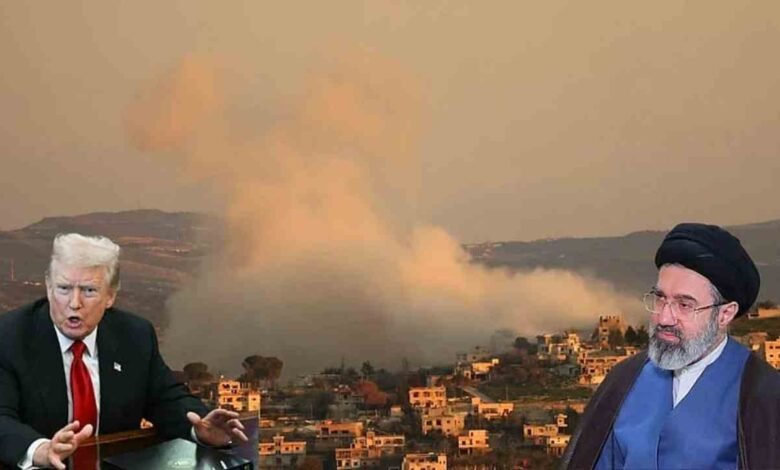
The evolving situation between Iran and United States is once again raising concerns of a possible full-scale conflict, with recent developments indicating a sharp escalation after a brief lull in hostilities.
Statements from senior leaders on both sides suggest that tensions are far from easing. A top commander of Iran’s central military command, Mohammad Jafar Asadi, has publicly warned that the likelihood of renewed war is “very high,” accusing the US of failing to honor agreements and using negotiations for political leverage. He also confirmed that Iran is stepping up its security preparedness amid the growing uncertainty.
On the diplomatic front, the White House has refrained from disclosing details about Iran’s latest proposal. However, US envoy Steve Witkoff indicated that Tehran has submitted revised terms regarding its nuclear program, though the specifics remain unclear.


Iranian judiciary chief Gholamhossein Mohseni Ejei reiterated that Iran has not withdrawn from negotiations but will not accept what he described as “imposed peace conditions.” This stance highlights the widening gap between the two nations on key issues.
Adding to the tension, remarks by former US President Donald Trump have further intensified the situation. Expressing dissatisfaction with Iran’s proposals, he stated that the options before the US include either striking militarily or pursuing a negotiated settlement—comments that have fueled fears of imminent escalation.
Meanwhile, reports suggest that backchannel talks involving Pakistan as a mediator have yielded little progress, echoing previous failed diplomatic attempts.
At the core of the conflict remains the dispute over Iran’s nuclear program. The US continues to demand strict limits on uranium enrichment and nuclear activities, while Iran insists its program is lawful under international oversight and integral to its sovereignty.
The rising tensions are already impacting global markets. Oil prices have shown volatility, particularly around the strategically vital Strait of Hormuz, a key route for global energy supplies. Any disruption here could have far-reaching consequences for the world economy.
Economically, Iran is facing mounting pressure, with inflation reportedly exceeding 50 percent and oil exports declining sharply. In the US, the situation has also sparked political debate, with critics questioning the legality of military actions without congressional approval.
Overall, stalled negotiations, escalating rhetoric, and economic strain are pushing Iran and the US closer to a potentially dangerous confrontation.