Middle East tensions escalate as Israel pauses energy strikes after Trump signal

Bengaluru The intensifying conflict in the Middle East has taken a significant turn as attacks on critical energy strikes after Trump signalhas taken a significant turn as attacks on critical energy infrastructure triggered global concern, forcing a strategic recalibration. In a key development, Israel has temporarily halted strikes on Iran’s major gas facilities following signals from former US President Donald Trump, amid fears of a wider economic fallout.
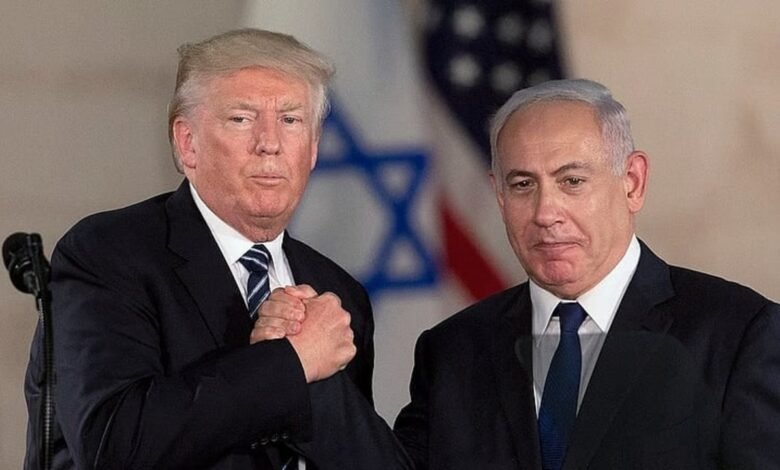
Israeli Prime Minister Benjamin Netanyahu announced that strikes targeting Iran’s key energy assets, including the South Pars Gas Field, would be paused. The decision is believed to have been influenced by growing instability in global energy markets and mounting pressure from international stakeholders worried about supply disruptions.
The South Pars Gas Field, one of the world’s largest natural gas reserves, had become a focal point in the escalating conflict. Israel’s earlier strikes on the facility prompted a strong retaliation from Iran, which intensified attacks on oil and gas infrastructure across the Gulf region. This tit-for-tat escalation has significantly rattled global markets.
The Strait of Hormuz, a crucial artery for global oil transportation, has come under increasing strain. Iran’s reported restrictions and heightened military activity in the region have sparked fears of supply bottlenecks. As a result, global crude oil prices have witnessed sharp fluctuations, with Brent crude surging nearly 10% to touch $119 per barrel before easing slightly. European gas prices have also spiked by over 30%, reflecting widespread market anxiety.

Despite the temporary pause, tensions remain high. Netanyahu, in a strong statement, claimed that Iran had been “significantly weakened,” asserting that its nuclear and missile capabilities had suffered major setbacks due to recent strikes. However, Iran has firmly rejected these claims, maintaining that its military strength remains intact and warning of “uncontrolled retaliation” if further attacks on its energy infrastructure occur.
Meanwhile, global powers have expressed deep concern over the unfolding crisis. Countries including the United Kingdom, France, and Germany have called for ensuring safe navigation through the Strait of Hormuz and preventing further escalation. French President Emmanuel Macron has urged direct dialogue between the United States and Iran to defuse tensions.
Adding to the uncertainty, US Defence Secretary Pete Hegseth stated that there is no clear timeline for the end of the conflict, emphasizing that future decisions would depend on leadership-level interventions.
In a post on Truth Social, Donald Trump clarified that the United States had no prior knowledge of specific strikes on Iranian facilities and that Qatar was not involved in any capacity. He also indicated that Israel would refrain from further targeting the South Pars Gas Field.
While Israel’s temporary restraint may ease immediate fears, the broader conflict shows no signs of resolution. With both sides maintaining aggressive postures, the risk of a larger regional war—and its ripple effects on the global economy—continues to loom large.