
Hormuz strait closure could trigger global price surge, warns UN

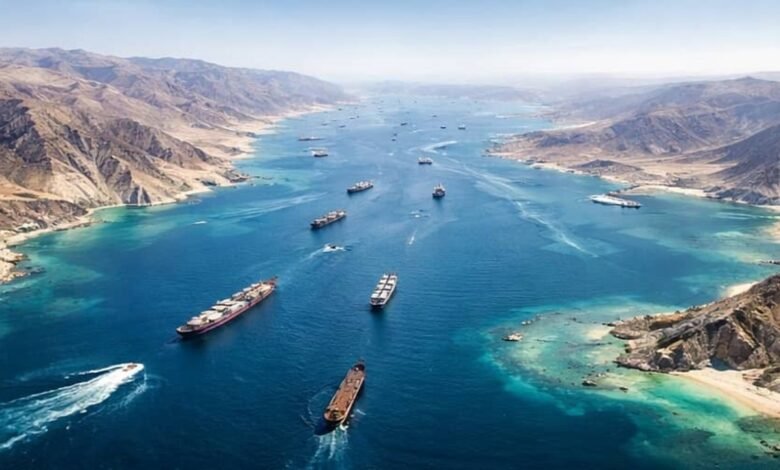
Washington : The possible closure of the strategically vital Strait of Hormuz could lead to a sharp rise in global food prices, energy costs and overall living expenses, the United Nations Conference on Trade and Development (UNCTAD) has warned in a new report.
According to the report released on Tuesday, any disruption in the key maritime route would have serious consequences for global trade and supply chains. The strait is one of the world’s most critical energy corridors through which a significant portion of global oil and gas supplies are transported.
Explaining the findings of the report, Stéphane Dujarric, spokesperson for United Nations Secretary-General António Guterres, said the economic consequences of such a disruption could be long-lasting.
“If oil prices rise, food prices will also increase. Similarly, higher cooking gas prices will push up the cost of fertilizers,” Dujarric said during a press briefing at the UN headquarters.


The report warned that Asian economies would face the most severe impact because of their heavy dependence on energy imports routed through the Strait of Hormuz. Countries across Asia rely on this narrow shipping passage for crude oil and natural gas supplies from the Middle East.
However, the consequences would not be limited to Asia alone. UNCTAD cautioned that the entire global supply chain could experience significant disruption.
Shipping costs are expected to surge if the route is blocked or restricted. Higher maritime insurance premiums, increased fuel costs for vessels and rising transportation expenses would eventually translate into higher prices for goods worldwide.
The report also highlighted the ripple effects across essential sectors such as energy, agriculture and logistics. Rising fertilizer costs could push up agricultural production expenses, eventually leading to higher food prices in international markets.
Economists warn that such inflationary pressure could significantly increase the cost of living for ordinary people, particularly affecting vulnerable communities.
The United Nations has urged countries to avoid escalation in the region and ensure the uninterrupted flow of global trade through key maritime routes.
Experts say any prolonged disruption in the Strait of Hormuz would not only destabilize energy markets but could also deepen the global economic uncertainty already affecting many countries.