Tesla Reshapes Its EV Strategy as Model S and Model X Production Ends
Company shifts focus toward high volume electric cars as legacy premium models conclude their manufacturing run marking a new phase in its global electric vehicle roadmap


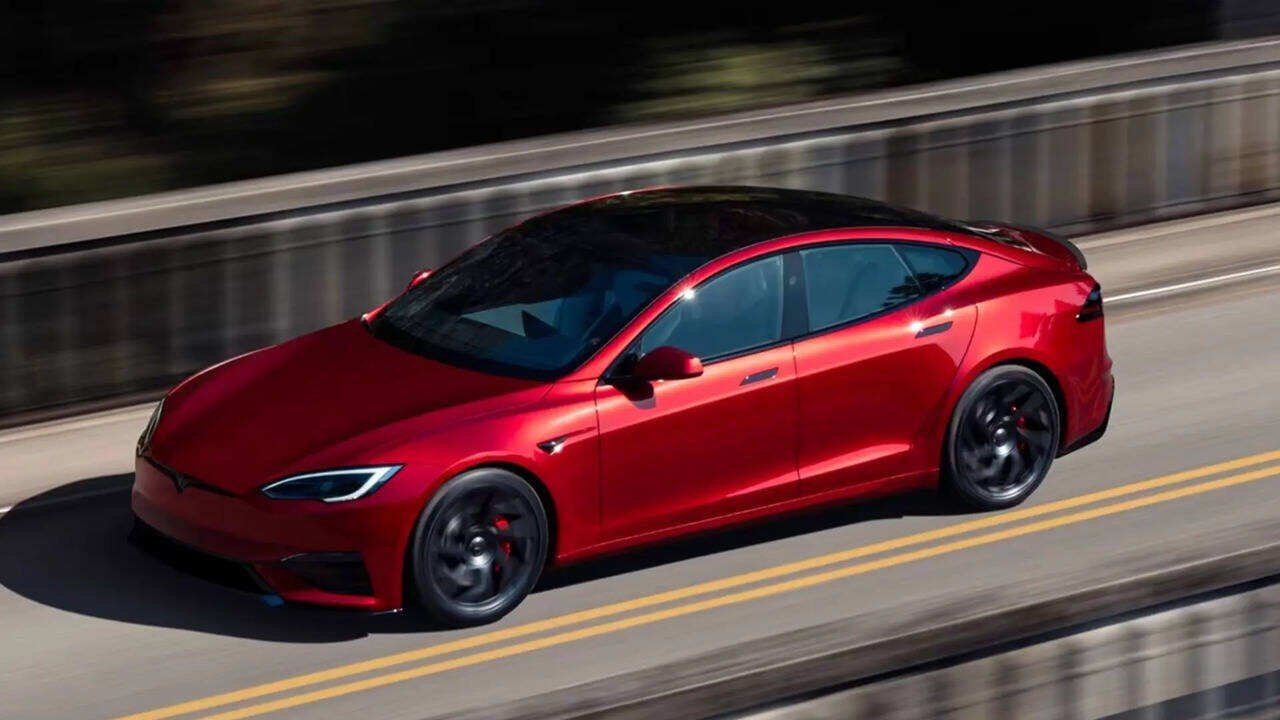
Tesla has taken a major strategic turn in its electric vehicle journey by discontinuing production of two of its most iconic models. The Model S and Model X, once central to the company’s early rise in the EV market, are no longer being manufactured. These vehicles played a key role in establishing Tesla as a serious force in the global automotive industry, especially in the premium electric segment.
The production of both models was carried out at Tesla’s Fremont factory in the United States. Over time, they became symbols of innovation, introducing new benchmarks in battery efficiency, software integration and performance upgrades. The Model S was among Tesla’s earliest mass recognized electric cars, while the Model X stood out as one of the first luxury electric SUVs with distinctive design and advanced driver assistance systems.
In recent years, however, the demand landscape has shifted significantly. While these premium models helped build Tesla’s reputation, the company’s growth in sales volume has increasingly been driven by more accessible vehicles such as the Model 3 and Model Y. These mass market EVs have now become the backbone of Tesla’s global expansion strategy, pushing older models into the background.
Elon Musk had already hinted at this transition earlier in the year during an earnings discussion, suggesting that the lifecycle of Model S and Model X was nearing its end. He noted that the company would phase them out respectfully while encouraging interested buyers to place final orders before production concluded. His remarks had already signaled that a broader product shift was underway toward future focused autonomous and high efficiency platforms.


Despite their discontinuation, both models remain an important part of Tesla’s legacy. They were frequently updated over the years with improved software, enhanced safety systems and refined battery technology. These updates kept them relevant for a long time, even as newer models entered the market with more competitive pricing and broader appeal.
Meanwhile, Tesla’s presence in emerging markets like India has been centered around the Model Y. Introduced last year, it marked the company’s entry into the country with variants including rear wheel drive and long range rear wheel drive options. Pricing starts at about 59.89 lakh rupees, with the long range version going up to around 67.89 lakh rupees. The Model Y is known for offering close to 500 kilometers of driving range on a single charge and can accelerate from 0 to 100 km per hour in under six seconds, reflecting Tesla’s continued focus on performance even in its newer lineup.