Security Flaw Raises Concerns for Older iPhone Models
A newly revealed hardware level vulnerability affects several older Apple devices prompting security concerns among users while experts say software updates may not fully address the issue

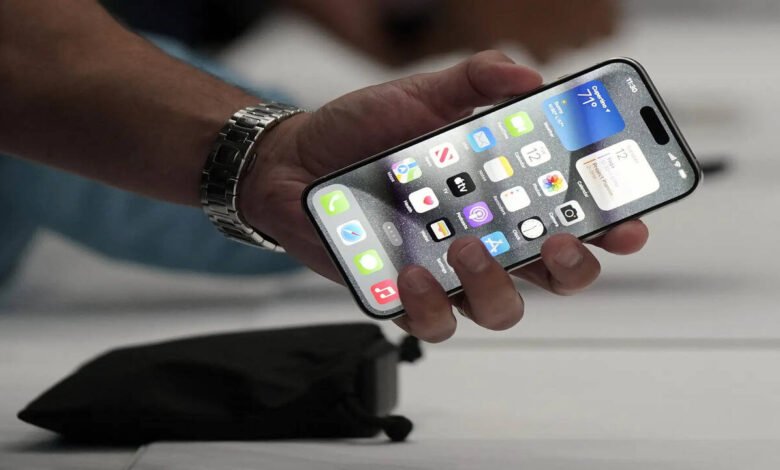
Owners of older iPhone models are facing fresh security concerns following the disclosure of a hardware level vulnerability that researchers say cannot be completely fixed through traditional software updates. The issue has sparked discussion across the technology community, particularly among users of devices powered by Apple’s A12 and A13 processors.
Security researchers recently demonstrated a proof of concept exploit known as usbliter8. According to their findings, the exploit targets a weakness inside the BootROM, one of the most fundamental components involved in the device startup process. Because BootROM code is permanently embedded into the chip during manufacturing, vulnerabilities discovered at this level are significantly more difficult to address than ordinary software bugs.
The concern is particularly notable because the exploit reportedly affects several popular Apple devices released in previous years. Models believed to be vulnerable include the iPhone XS, iPhone XS Max, iPhone XR, iPhone 11, iPhone 11 Pro, and iPhone 11 Pro Max. Certain iPad models equipped with related A12 and A13 series processors may also be impacted.
Researchers explain that the exploit takes advantage of a flaw in the USB controller found within these chipsets. During the startup process, the controller handles incoming data and stores it in memory buffers. By sending specially crafted USB data sequences at a precise moment, attackers can reportedly manipulate how memory is managed during boot, creating opportunities for low level system access.


While the technical details are highly complex, experts note that the vulnerability exists at a much deeper level than typical operating system flaws. Once triggered successfully, the exploit may weaken certain security restrictions and potentially allow software that would normally fail Apple’s verification process to load on the device.
The situation differs slightly between processor generations. Devices powered by the A13 chip include additional hardware protections designed to detect unauthorized memory modifications. These safeguards make exploitation more difficult compared with A12 based devices, requiring additional steps before code execution can occur. Nevertheless, researchers indicate that the vulnerability remains present at the hardware level.
Despite the alarming headlines, cybersecurity specialists emphasize that the exploit does not automatically place every affected device at immediate risk. Physical access to the device is required for the attack to work, significantly limiting the likelihood of large scale remote exploitation. In addition, the vulnerability does not reportedly compromise the Secure Enclave, the dedicated security component responsible for protecting sensitive information such as biometric data and encryption keys.
The disclosure has renewed debate about the long term security challenges associated with older hardware. Since the weakness is tied to the design of the USB controller and BootROM architecture, researchers argue that affected users cannot rely solely on future software updates for a permanent solution. In cases where maximum security is essential, moving to newer hardware may eventually become the most practical option.
Interestingly, not every older Apple device is affected. Reports indicate that devices using the A11 processor avoid this issue because of an additional USB pointer reset mechanism built into their BootROM design. Newer devices powered by A14 and later processors are also believed to be protected thanks to enhanced memory protection measures introduced by Apple.
For everyday users, experts recommend maintaining updated software, avoiding untrusted accessories, and exercising caution when granting physical access to their devices. While the vulnerability highlights a significant technical challenge, its practical impact remains limited for most consumers who follow basic security practices.
As hardware security becomes an increasingly important topic, this discovery serves as a reminder that even well protected devices can face challenges years after their release. The findings are likely to influence future discussions about device longevity, hardware security, and the importance of continuous innovation in consumer technology.