RBI Name Misused in New WhatsApp Scam Targeting Users Across India
Cyber fraudsters are circulating fake RBI messages on WhatsApp with APK files, threatening account suspension to trick users into installing malware and revealing sensitive banking details

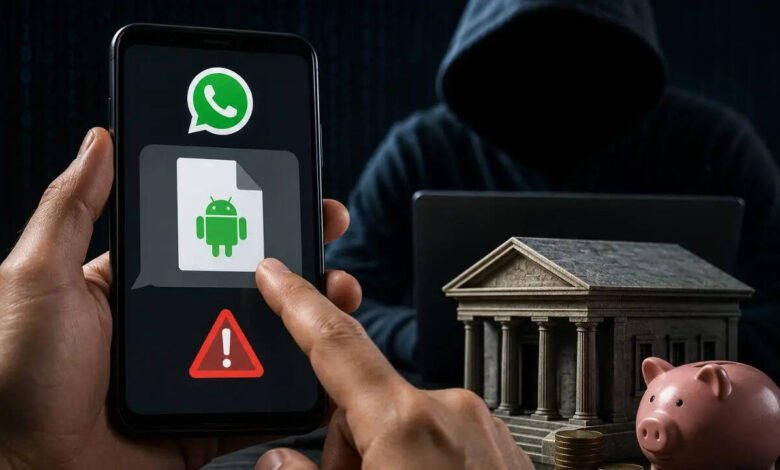
A new wave of cyber fraud is targeting WhatsApp users in India, where scammers are misusing the name of the Reserve Bank of India to create panic and trick people into installing malicious applications. With over 850 million users in the country, WhatsApp has become an easy hunting ground for such digital traps.
The latest scam has been flagged by the Press Information Bureau fact check team, which warned that fraudulent messages are being shared that appear to be from RBI. These messages typically claim unusual banking activity has been detected and threaten that the user’s account may be suspended if immediate action is not taken. An APK file is attached, which is the real danger in this scheme.
In reality, the Reserve Bank of India does not communicate with customers through WhatsApp messages or send any kind of downloadable files. Officials have clarified that RBI never asks for personal banking details or login credentials over messaging platforms. Despite this, the fake notices are designed to look official and create urgency so that users act without thinking.
The scam usually begins with a message that appears formal and convincing, often warning about suspicious transactions or account restrictions. Users are then pressured to download the attached file and follow instructions to “verify” or “secure” their account. Once installed, the malware hidden inside the APK can steal sensitive data including banking passwords and personal information.


What makes this threat more dangerous is the psychological pressure used by scammers. By pretending to be a government authority, they try to scare users into immediate action. In many cases, victims do not get enough time to verify the authenticity of the message and end up compromising their devices.
Security experts strongly advise users to avoid downloading any unknown APK files received through WhatsApp or any other messaging platform. Installing apps outside official stores can give hackers direct access to a phone. Even more importantly, no financial or personal information should ever be shared through unverified links or messages.
Authorities continue to remind citizens that awareness is the strongest defense against such scams. Verifying information through official websites and ignoring suspicious messages can prevent major financial loss.