Concern Grows Over Location Tracking as Google Maps Stores User Movement Data
Many users are unaware that Google Maps records their location history continuously raising privacy concerns Experts suggest reviewing settings immediately to stop tracking and delete previously stored movement data easily

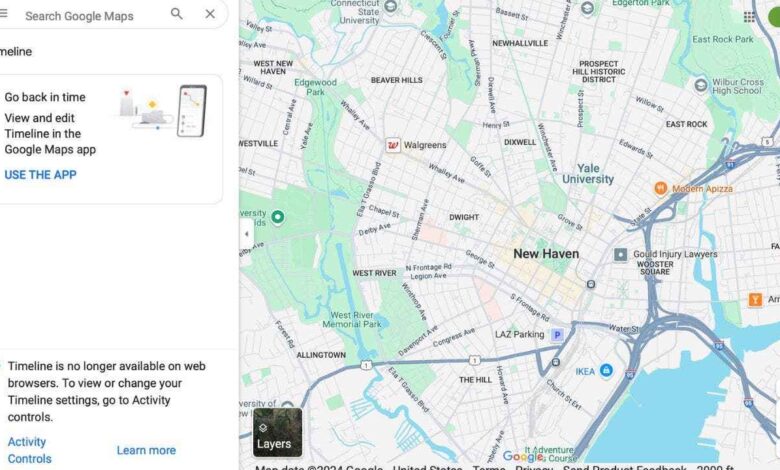
Growing awareness around digital privacy is pushing users to take a closer look at how their data is being handled. One feature now drawing attention is the location tracking system in Google Maps, which quietly records user movement in the background.
While the feature is designed to improve navigation and offer personalized suggestions, it also logs detailed timelines of where users travel, how long they stay, and the routes they take. This information is stored under the Location History setting, often without users fully realizing the extent of the tracking.
For many, this raises an important question about control. Not everyone is comfortable with their daily movements being stored indefinitely. Although the data helps with features like travel history and recommendations, privacy conscious users are now actively seeking ways to limit or disable such tracking.
Turning off this feature is relatively simple. Within the app, users can access their profile and navigate to timeline or privacy settings. From there, the option to disable location history can be found. Once turned off, the app stops saving new movement data, though previously stored information remains unless manually removed.


Deleting past records is another step users are encouraged to take. Inside the same settings, options are available to erase all timeline data or remove entries from specific dates. There is also an auto delete feature that allows users to set a time period after which older data is automatically cleared, reducing long term storage without constant manual intervention.
However, experts note that disabling location history alone does not completely stop data collection. Other settings, such as web and app activity, may still access location related information. This makes it essential for users to review multiple privacy controls if they want stricter data protection.
As conversations around digital privacy continue to grow, understanding how everyday apps function behind the scenes has become more important than ever. Taking a few minutes to adjust settings can make a significant difference in how much personal data is stored and shared over time.