ChatGPT May Soon Respond While Listening With New Voice Technology
A new voice model under development could make AI conversations faster, smoother, and more natural by allowing ChatGPT to listen and respond simultaneously during real time interactions.

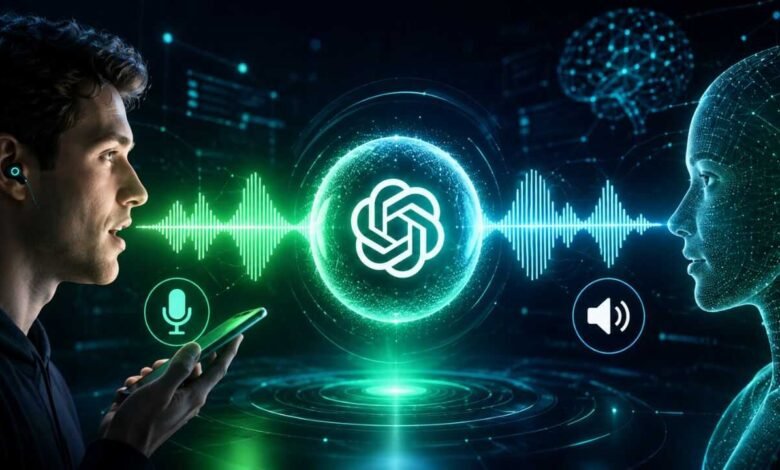
The race to make artificial intelligence sound more human is accelerating, and a new development could take voice conversations with AI to the next level. Reports suggest that OpenAI is working on a new voice technology known as GPT BiDi 1, a model designed to make interactions with ChatGPT feel more like a conversation between two people rather than a sequence of questions and answers.
One of the biggest limitations of current voice assistants is the way they handle communication. In most cases, users must finish speaking before the system begins processing the request and generating a response. While this process is usually fast, the brief pause can make conversations feel less natural and more robotic. The proposed GPT BiDi 1 model aims to reduce or even eliminate that gap.
The standout feature of the new technology is its ability to listen and respond at the same time. Instead of waiting for a user to completely finish speaking, the AI could understand the context of the conversation in real time and begin responding more naturally. This would create a smoother flow, similar to how people interact during everyday discussions.
Industry observers believe this approach could significantly improve the overall voice experience. Conversations with AI would feel less interrupted, allowing users to communicate more freely without constantly pausing and waiting for replies. Such an upgrade could be especially useful for people who rely on voice interactions for work, learning, research, or productivity tasks.


The development reflects a broader trend in the artificial intelligence industry, where companies are focusing on making digital assistants more conversational and intuitive. Rather than simply answering questions, future AI systems are expected to engage in dynamic discussions, understand context more effectively, and respond in ways that feel increasingly human.
For millions of ChatGPT users, the potential benefits are substantial. Faster interactions could save time, while a more natural conversational style could make long discussions easier to manage. Users seeking information, brainstorming ideas, learning new skills, or completing professional tasks may find voice interactions becoming more efficient and engaging.
OpenAI has already invested heavily in voice capabilities. Existing voice features allow users to hold spoken conversations with ChatGPT, making the platform more accessible and convenient. The emergence of reports surrounding GPT BiDi 1 suggests that the company is continuing to push the boundaries of voice based artificial intelligence.
Another key advantage of simultaneous listening and speaking is the possibility of creating a more immersive experience. Current voice assistants often feel like they are taking turns in a conversation. A model capable of handling both tasks together could make interactions feel more fluid, reducing awkward pauses and helping users stay focused on the discussion.
Although OpenAI has not officially announced the model or confirmed its release timeline, interest in the technology is growing across the AI community. Researchers and technology enthusiasts are closely watching developments as voice based AI becomes one of the most competitive areas in the industry.
If the technology performs as expected, it could mark an important step toward more advanced conversational AI. By narrowing the gap between human communication and machine interaction, the next generation of voice models may redefine how people engage with digital assistants in their daily lives. For now, users and industry experts alike are waiting to see whether this new approach will become the future standard for AI powered conversations.