Indian Railways introduced new rules for Lower Birth seat


Indian Railways: Traveling by train in India has always been an adventure, but sometimes it can be a bit challenging, especially for our senior citizens. Thankfully, Indian Railways has introduced new rules to make journeys more comfortable and stress-free.
Indian Railways continues to make new efforts to meet passenger needs. The Indian Railway has now made a new rule for lower birth. The Railway department will continue to make new efforts to benefit passengers. The Indian Railway Train has now changed the rule regarding Lower Birth.

This new rule of the railway will benefit senior citizens. Sometimes there are a lower birth booking while booking a train ticket, but there are also those who do not get the seat. However, the railway has made many rules to provide relief to senior citizens. If you are traveling with senior citizens read next to find out how to get a lower birth seat while traveling on Indian Railway.
Lower births can be booked for senior citizens at IRCTC. In fact, there is only if you have a lower seat when you book a ticket under the common quota. Otherwise, you can’t get a lower birth. However, you will get seat if you book under the ‘Reservation Choice Book’.

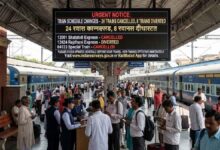

According to the IRCTC website, the following births will be available to those who first come to the first time when booking a train ticket under the General Quota. However, contact TTE on the train for a lower birth seat and can be obtained if any seat is available. It is necessary to have a reservation ticket for this.
Also Read: Kumbh Mela 2025: Free train run from February 6 to 21