Honda Faces Historic Financial Setback Amid Slowing EV Demand
Weak electric vehicle sales and changing global market conditions pushed Honda into its first annual loss in seven decades, forcing the company to rethink future investment and production strategies worldwide.

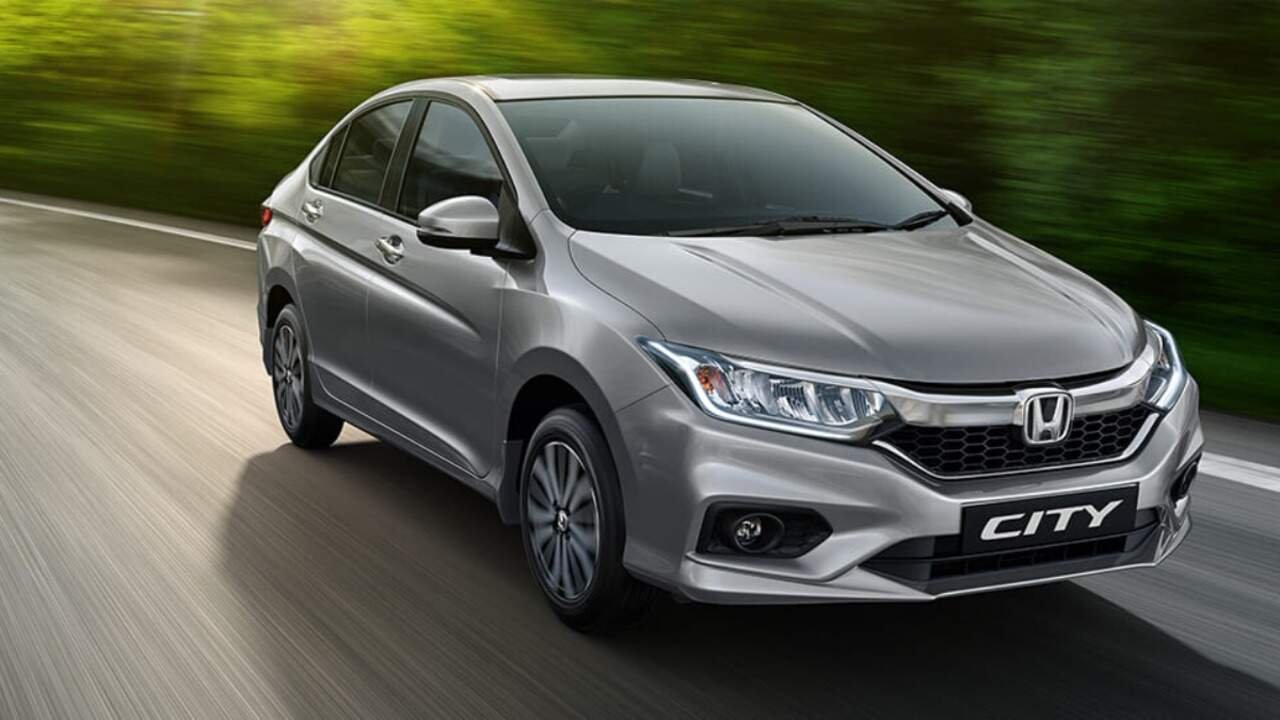
Japanese automobile giant Honda has reported a rare financial setback after its aggressive push into the electric vehicle segment failed to deliver expected results. The company, known globally for its strong presence in petrol powered cars and motorcycles, has suffered its first annual loss in nearly 70 years as demand for electric vehicles remained weaker than projected.
The company revealed that lower than expected EV sales during the financial year ending in March resulted in losses estimated at nearly 2.68 billion dollars. Industry experts believe the slowdown reflects changing consumer behavior, rising production costs, and growing uncertainty in the global electric mobility market.
Honda has now decided to revise several of its long term EV expansion targets. Company officials confirmed that the automaker will focus more heavily on hybrid vehicles and its rapidly growing motorcycle business instead of aggressively expanding only in the electric segment. India, Japan, and North America have been identified as priority markets for the company’s future growth plans.
According to reports, changes in policy support in the United States also played a major role in affecting the company’s EV strategy. Tax incentives that once encouraged electric vehicle purchases have reportedly been reduced or withdrawn, making EV ownership less attractive for many buyers. Import tariffs on automobiles and vehicle parts have further increased pressure on global manufacturers including Honda.


Honda Chief Executive Toshihiro Mibe stated that the company is now stepping back from its earlier goal of achieving around 20 percent EV contribution in new car sales by 2030. Instead, Honda plans to strengthen its position in hybrid technology while carefully reassessing future electric investments.
The shift comes at a time when competition in the EV market is becoming increasingly intense. Several automakers are struggling to balance high development costs with uncertain consumer demand. Rising battery prices, infrastructure concerns, and changing government incentives have forced many companies to slow down expansion plans.
Honda’s electric scooter business in India has also received a mixed response from customers. Last year, Honda Motorcycle and Scooter India launched the Activa e and QC1 electric scooters in an attempt to enter the growing electric two wheeler market. However, the response has reportedly remained modest compared to rivals already established in the segment.
The Activa e offers a riding range of over 100 kilometers on a single charge, while the QC1 provides a slightly lower range targeted at urban commuters. Despite competitive features, Honda faces stiff competition from established electric mobility brands that already have a strong customer base in India.
Industry analysts say Honda’s latest financial results highlight a broader challenge facing the global automobile sector. While electric mobility remains an important part of the future, customer adoption has not accelerated at the pace many companies initially expected. As a result, automakers are increasingly shifting attention toward hybrids and fuel efficient technologies that offer a balance between performance, affordability, and lower emissions.
For Honda, the coming years may now depend on how successfully it balances traditional strengths with the rapidly changing demands of the modern automotive market.