Why You Should Never Place These Plants Near Tulsi Experts Warn It Can Harm Growth and Health
Garden experts explain that placing certain plants near Tulsi may affect its growth health and energy balance leading to poor plant condition despite its sacred and medicinal importance in Indian households

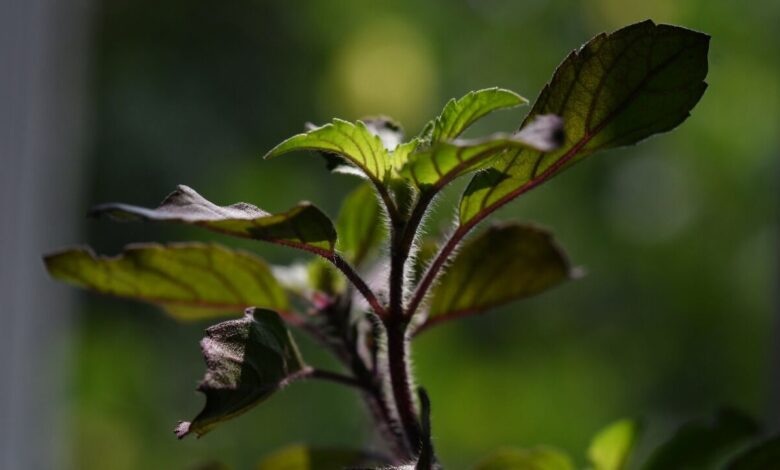
In many Indian homes, the Tulsi plant holds a deeply respected place and is considered a symbol of purity and positivity. People worship it daily and believe it brings peace and good energy into the home. Along with its spiritual value, Tulsi is also known for its medicinal benefits and air purifying qualities, which is why it is commonly grown in balconies and courtyards.
However, gardening experts warn that even small mistakes in plant placement can affect its health. One common error is keeping Tulsi next to incompatible plants. Due to limited space or decorative arrangements, many people place multiple indoor plants together, not realizing that some of them can disturb Tulsi’s natural growth cycle.
Plants like sage and thyme, for example, require very low water levels, while Tulsi needs consistently moist soil. When kept side by side, the difference in water requirements creates imbalance, often causing one of the plants to weaken or die over time.
Another plant that can negatively affect Tulsi is aloe vera. Aloe thrives in dry conditions and stores heat in its thick leaves. When placed too close to Tulsi, this dry and warm nature can slowly impact Tulsi leaves, making them lose freshness and dry out earlier than expected.


Fast growing plants like cucumber family crops can also become a problem. They tend to absorb nutrients quickly from the soil, leaving very little for nearby plants. In such cases Tulsi may struggle to get enough nutrition, resulting in slower growth and weaker leaves.
Money plant is another common indoor plant that experts suggest keeping away from Tulsi. Because of its fast spreading vines, it can block sunlight and airflow, both of which are essential for Tulsi to stay healthy and strong.
Plants like fennel are known to dominate soil nutrients and can suppress the growth of nearby plants. When placed near Tulsi, they may reduce soil fertility around it, leading to gradual weakening of the plant.
Even vegetables like cabbage and kale are not ideal companions for Tulsi since they prefer cooler environments, while Tulsi grows best in warm and sunny conditions with at least several hours of direct sunlight each day. These opposite needs make them unsuitable to be grown together.
On the positive side, some plants are considered beneficial companions for Tulsi. Marigold is often recommended because its strong natural scent helps keep insects and pests away, protecting the plant. Tomato plants are also said to grow well nearby and may even improve overall garden balance when planted correctly.