Why Many Women Start Looking Older Than Their Age in Their Thirties
Experts say stress poor sleep unhealthy food habits and lack of skincare are pushing many women toward premature ageing making them appear older much earlier than expected today

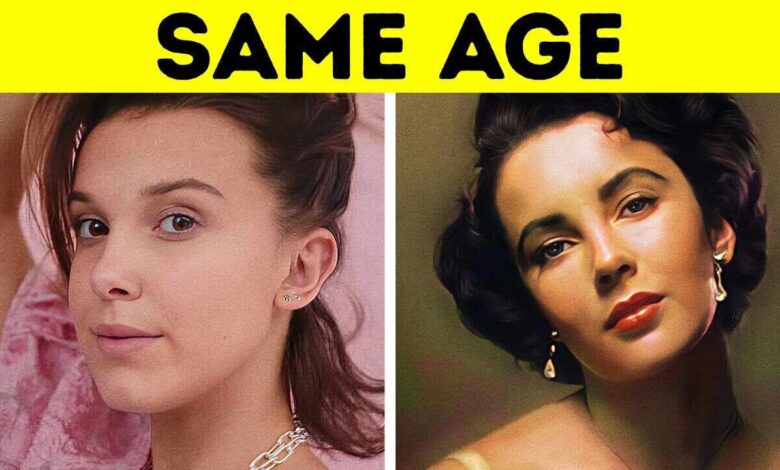
Many women spend time and effort maintaining their appearance, yet some begin to look much older than their actual age even in their early thirties. Dermatologists and health experts say premature ageing is no longer uncommon, especially among people dealing with stressful modern lifestyles and unhealthy daily routines.
While ageing is a natural process, doctors explain that certain habits can speed it up dramatically. Wrinkles, dull skin, dark circles and loss of facial glow are now appearing earlier in many women than they did a generation ago. Experts believe that lifestyle choices are playing a bigger role than genetics in several cases.
One of the biggest reasons behind early ageing is chronic stress. Health specialists say constant mental pressure affects not only emotional wellbeing but also skin health. Stress increases the production of cortisol, a hormone linked to skin fatigue and inflammation. As stress levels remain high for long periods, the skin gradually loses its natural brightness and elasticity, making the face appear tired and older.
Sleep deprivation is another major factor that experts continue to warn about. During sleep, the body repairs damaged skin cells and restores hydration levels. Women who regularly sleep less than seven hours often experience dryness, fine lines and dark circles under the eyes. Dermatologists say poor sleep also slows collagen production, which is essential for maintaining youthful skin.


Doctors are also pointing fingers at unhealthy eating habits. Fast food, processed snacks and sugary drinks may satisfy cravings temporarily, but they can quietly damage skin quality over time. Nutritionists explain that excessive sugar intake can affect collagen and accelerate wrinkle formation. Lack of fruits, vegetables and proper hydration further weakens the skin barrier and reduces natural glow.
Excessive exposure to sunlight without sunscreen protection is another hidden cause of early ageing. Skin experts refer to this damage as photo ageing. Harmful ultraviolet rays can lead to pigmentation, wrinkles and uneven skin texture. Many women underestimate the long term effects of sun exposure, especially during daily travel or outdoor activities.
Health professionals also highlight the impact of smoking and alcohol consumption on appearance. Smoking reduces oxygen supply to the skin and weakens blood circulation, while alcohol dehydrates the body and makes the skin appear dry and lifeless. Over time, these habits can make facial ageing more noticeable even at a younger age.
Another factor experts mention is uncontrolled anger and emotional stress. Frequent irritation and emotional imbalance can increase stress hormones inside the body, which may indirectly affect skin quality. Doctors say maintaining emotional calmness benefits both physical health and appearance.
Modern work culture has also become part of the problem. Long screen hours, irregular meals and lack of physical activity are slowly affecting overall health. Women who spend most of the day indoors often experience dull skin because of dehydration, fatigue and poor circulation caused by sedentary routines.
Despite these concerns, specialists say premature ageing can often be slowed with healthy habits. Regular exercise, balanced nutrition and proper sleep remain the most effective ways to maintain youthful skin naturally. Drinking enough water and following a basic skincare routine can also make a noticeable difference.
Experts encourage women not to focus only on cosmetic products while ignoring internal health. Healthy skin usually reflects a healthy body and mind. Small daily changes such as reducing stress, eating fresh food and protecting the skin from sun damage can help women maintain a fresher and younger appearance for longer years.