What Is Taro Root Discover the English Name and Surprising Health Benefits of This Popular Vegetable
Known by different regional names this nutritious root vegetable is rich in fiber vitamins and minerals making it a healthy addition to balanced diets for digestion heart health and weight management.

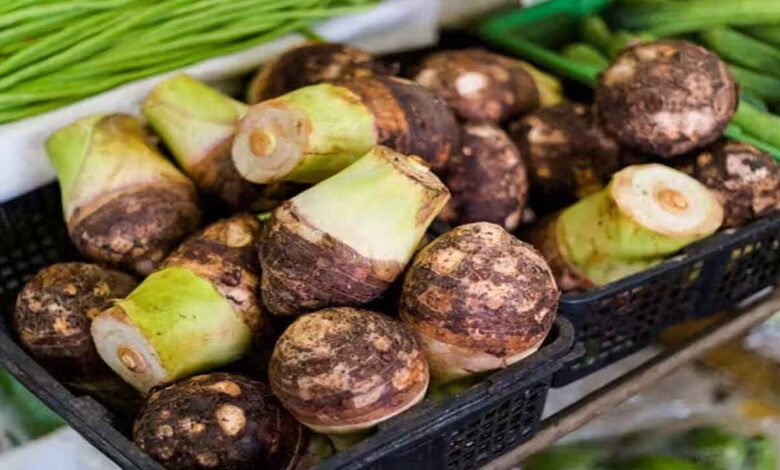
Many vegetables that are commonly used in Indian kitchens are known by different names across regions, leaving many people confused about their English names. One such vegetable is Arbi, popularly called Chamadumpa in Telugu. While it is a familiar ingredient in traditional recipes, many are surprised to learn that its English name is Taro Root. It is also commonly referred to as Colocasia Root, while its scientific name is Colocasia esculenta.
Taro Root is an underground tuber that has been cultivated for centuries in many parts of Asia and around the world. Apart from the edible root, its large green leaves are also used in several regional dishes. Its versatility and rich nutritional profile have made it an important part of many traditional cuisines.
Health experts say Taro Root is far more than just a tasty vegetable. It contains an impressive combination of dietary fiber, vitamin C, vitamin E, potassium and resistant starch. These nutrients support several important body functions and make it a valuable addition to a balanced diet.
One of the biggest advantages of Taro Root is its high fiber content. Fiber helps maintain a healthy digestive system by promoting smooth bowel movements and reducing the chances of constipation. Resistant starch present in the vegetable also supports gut health by encouraging the growth of beneficial bacteria in the intestines.


The vegetable is also considered heart friendly because it contains a good amount of potassium. This essential mineral helps regulate blood pressure by balancing sodium levels in the body. Maintaining healthy blood pressure can contribute to better cardiovascular health and may lower the risk of heart related conditions over time.
People trying to manage their weight may also find Taro Root beneficial. Since it is rich in fiber and relatively low in calories, it helps keep the stomach full for longer periods. This feeling of fullness may reduce unnecessary snacking and support healthier eating habits throughout the day.
Another important benefit is its contribution to the immune system. Vitamins C and E found in Taro Root work as antioxidants, helping the body fight oxidative stress while supporting the immune response. These nutrients also play a role in maintaining healthy skin and protecting cells from damage.
Some people avoid cooking Taro Root because of its naturally sticky texture. However, food experts say proper cooking methods can completely change its texture and enhance its flavor. Boiling, roasting or lightly frying the vegetable makes it enjoyable while preserving much of its nutritional value.
Despite being a common household ingredient, Taro Root often remains overlooked compared to other vegetables. Nutritionists believe it deserves greater attention because it combines taste with multiple health benefits. Including it as part of a varied diet can provide valuable nutrients while adding variety to everyday meals.
Whether you know it as Arbi, Chamadumpa, Taro Root or Colocasia Root, this humble vegetable continues to be a nutritious choice for families. Its rich nutrient content, digestive benefits and potential support for heart health make it a smart ingredient to include in regular home cooked meals.