The Hidden Health Secrets Behind Colorful Fruits and Vegetables
Nutrition experts say eating fruits and vegetables of different colors can provide diverse nutrients that support immunity, heart health, vision, and overall wellbeing throughout every stage of life.

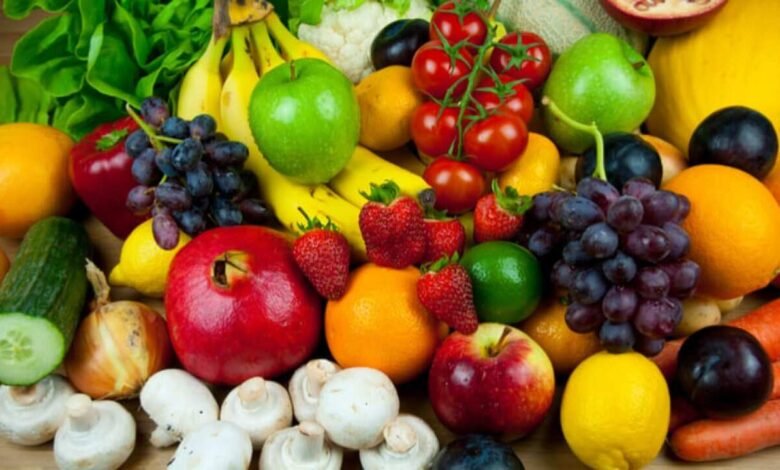
A colorful plate is not just visually appealing but also a powerful tool for better health. Nutrition experts are increasingly encouraging people to follow the popular Eat the Rainbow approach, which focuses on consuming fruits and vegetables of different colors to obtain a wide range of nutrients and protective compounds.
Many people choose fruits and vegetables based on taste, but scientists say their vibrant colors reveal much more than flavor. The shades found in natural foods are created by compounds known as phytonutrients. These naturally occurring substances help plants survive environmental stress and, when consumed, may offer important health benefits for humans as well.
Health specialists explain that different colors often indicate different nutritional strengths. Including a variety of colors in daily meals can help provide antioxidants, vitamins, minerals, and plant compounds that support multiple functions within the body.
Red fruits and vegetables are among the most widely consumed foods around the world. Tomatoes, pomegranates, red peppers, and other red produce contain compounds such as lycopene and anthocyanins. These nutrients are known for their antioxidant properties and may help support heart and lung health. Researchers also suggest that they play a role in protecting cells from damage caused by free radicals and may contribute to healthier blood circulation.


Green vegetables are often considered nutritional powerhouses. Leafy greens and other green vegetables contain iron, vitamins, and antioxidants that support immunity and overall wellness. Nutrition experts note that compounds found in green foods may help maintain hormonal balance while also strengthening the body’s natural defense system. Regular consumption of spinach, broccoli, and other green vegetables is frequently associated with better long term health outcomes.
Blue and purple fruits have gained attention for their impressive antioxidant content. Foods such as blueberries, blackberries, grapes, and purple cabbage contain anthocyanins, which are linked to improved immune function and eye health. These compounds are believed to help reduce oxidative stress and support healthy aging.
Yellow and orange colored produce brings another set of nutritional advantages. Carrots, oranges, lemons, pumpkins, and sweet potatoes are rich in beta carotene and other beneficial compounds. These nutrients support healthy skin, strong muscles, and proper vision. Some studies also suggest that foods in this color group may contribute to improved cognitive function and possess natural anti inflammatory properties.
White and brown vegetables may appear less colorful, but they offer valuable health benefits of their own. Garlic, onions, mushrooms, and similar foods contain sulfur based compounds such as allicin. Researchers have linked these compounds to heart health support, healthy cholesterol levels, and blood pressure management. Some studies also suggest they may help slow the growth of certain harmful cells in the body.
Nutritionists emphasize that no single fruit or vegetable can provide every nutrient the body requires. That is why diversity is important. Eating foods from multiple color groups ensures a broader intake of essential nutrients and protective plant compounds.
Parents may find the rainbow approach particularly useful when encouraging children to eat healthier foods. Colorful meals often appear more attractive and enjoyable, helping children develop positive eating habits from an early age. Experts recommend preparing fruits and vegetables in creative ways to make them more appealing without compromising their nutritional value.
The concept behind Eat the Rainbow is simple but effective. Instead of focusing on one or two favorite foods, individuals are encouraged to include a mix of red, green, blue, purple, yellow, orange, white, and brown produce throughout the week. This variety can help support immunity, heart health, vision, brain function, and overall wellbeing.
Healthcare professionals believe that small dietary changes made consistently can have a lasting impact on health. Adding more color to meals does not require complicated diets or expensive ingredients. In many cases, it simply means choosing a wider range of fruits and vegetables during grocery shopping and meal preparation.
As awareness about nutrition continues to grow, experts say colorful foods deserve a prominent place on every plate. Their natural pigments are more than just attractive shades. They are indicators of valuable nutrients that can help people maintain better health and reduce the risk of chronic diseases over time.
By embracing a more colorful diet, individuals can enjoy not only tastier meals but also a broader spectrum of health benefits that support the body from head to toe.