Swap Regular Idli for Ragi Idli to Support Weight Loss and Better Blood Sugar Control
Ragi idli offers fiber calcium iron and essential nutrients that support healthy digestion improve bone strength help manage blood sugar levels and keep you feeling full for longer daily.

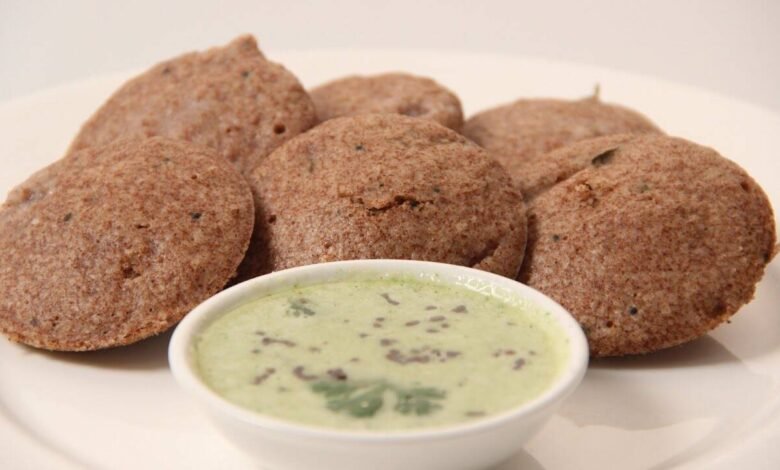
For many families, idli is the go to breakfast, but nutrition experts say a simple change in ingredients can make this traditional meal even healthier. Replacing regular rice idli with ragi idli is an easy way to increase your intake of essential nutrients while supporting better overall health.
Ragi, also known as finger millet, is packed with calcium, iron, dietary fiber, and important amino acids. Because of its rich nutritional profile, it has become a preferred choice for people looking to improve their diet without giving up familiar foods. Combined with hot sambar or peanut chutney, ragi idli makes a wholesome and satisfying breakfast.
One of the biggest advantages of ragi idli is its role in blood sugar management. Ragi has a relatively low glycemic index, meaning it releases glucose into the bloodstream gradually instead of causing sudden spikes in blood sugar levels. The high fiber content also slows digestion, making it a suitable breakfast option for people managing diabetes as part of an overall healthy eating plan.
Weight management is another reason many health conscious people are choosing ragi over refined grains. The fiber in ragi helps keep you full for a longer time, reducing unnecessary snacking and overeating during the day. A filling breakfast can also help maintain steady energy levels and support healthy digestion.


Ragi is widely recognized for its high calcium content, making it beneficial for maintaining strong bones and teeth. Growing children, older adults, and women may particularly benefit from including calcium rich foods like ragi in a balanced diet. Regular consumption may contribute to better bone health when combined with adequate nutrition and physical activity.
The grain is also a natural source of iron, which plays an important role in producing healthy red blood cells. People with low iron intake may benefit from adding iron rich foods such as ragi to their meals as part of a well balanced diet. Maintaining healthy iron levels can help reduce fatigue and support overall wellbeing.
Preparing ragi idli at home is simple. Soak half a cup of split black gram and half a cup of idli rava for four to five hours. Grind the soaked lentils into a smooth batter, then mix in one cup of ragi flour, the soaked idli rava, and salt according to taste. Allow the batter to ferment overnight or for at least eight to ten hours. The next morning, pour the batter into idli moulds and steam for about ten to fifteen minutes until the idlis become soft and fluffy.
Compared with processed breakfast foods or meals high in refined carbohydrates, ragi idli provides a more nutritious alternative without compromising on taste. Its combination of fiber, minerals, and natural goodness makes it an excellent addition to a balanced diet.
Including ragi idli in your weekly meal plan is a simple lifestyle change that can offer lasting health benefits. Whether your goal is better blood sugar control, weight management, stronger bones, or simply a healthier breakfast, this traditional millet based dish is a delicious choice worth trying.