Simple Storage Tricks That Keep Dry Fruits Fresh And Free From Mold For Months
Proper storage methods can help protect dry fruits from insects moisture and mold while preserving their taste texture and nutrition for a longer period without unnecessary waste at home.

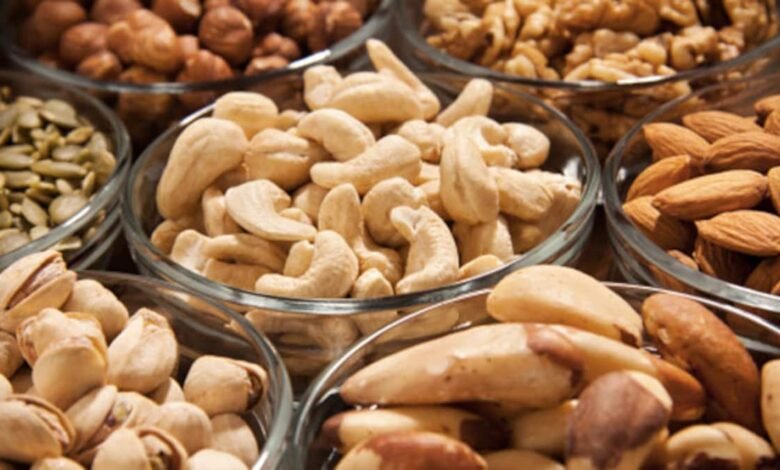
Dry fruits are packed with essential nutrients and are a healthy addition to any daily diet. Almonds, walnuts, raisins, dates, apricots, and cashews provide protein, healthy fats, vitamins, and minerals that support overall wellness. However, many households struggle with a common problem. After a few weeks of storage, dry fruits often lose their freshness or develop mold and insects because they are not stored correctly.
Food experts say that proper storage is just as important as buying high quality dry fruits. Exposure to moisture, heat, sunlight, and air can reduce their shelf life and spoil their natural flavor. Fortunately, a few simple storage habits can keep them fresh and crunchy for several months.
One of the most effective ways to preserve dry fruits is by storing them in airtight glass containers. Unlike plastic bags or open bowls, glass jars create a better barrier against air and humidity. This helps prevent moisture from entering the container and reduces the chances of insects or mold developing over time.
Some varieties, especially almonds, walnuts, pistachios, and cashews, contain higher amounts of natural oils. These oils can become rancid if the dry fruits are left at room temperature for extended periods. Keeping them in airtight containers inside the refrigerator helps maintain freshness and extends their storage life significantly.


Choosing the right storage location also makes a noticeable difference. Dry fruits should always be kept in a cool and dry place away from direct sunlight and sources of heat. Avoid placing them near the kitchen sink where moisture levels are higher or close to the cooking stove. It is equally important to close the container tightly after every use and never use a wet spoon or damp hands while handling the contents, as even a small amount of moisture can encourage mold growth.
Another useful practice is storing different types of dry fruits separately. Each variety has its own moisture and oil content, which affects how long it stays fresh. Raisins naturally contain more moisture, while almonds and walnuts have a higher oil content. Keeping them in separate containers helps maintain their quality and prevents one variety from affecting another.
For those planning to store dry fruits for several months, lightly dry roasting them before storage can be beneficial. Roast them in a clean pan without adding oil or butter until any remaining moisture evaporates. Allow them to cool completely before transferring them into airtight containers. This simple step helps reduce the risk of insects and mold while keeping the dry fruits crisp and flavorful.
Good storage habits not only prevent food waste but also preserve the nutritional value of dry fruits. By protecting them from air, moisture, and excessive heat, families can enjoy healthy snacks that remain fresh, safe, and delicious for much longer.