Menstrual Health Awareness Needs Urgent Workplace and Social Reform Across India
Experts and leaders highlight menstrual health challenges, workplace gaps, and social stigma, urging policy reforms, better facilities, and open conversations to support women’s dignity, wellbeing, and equality in India.

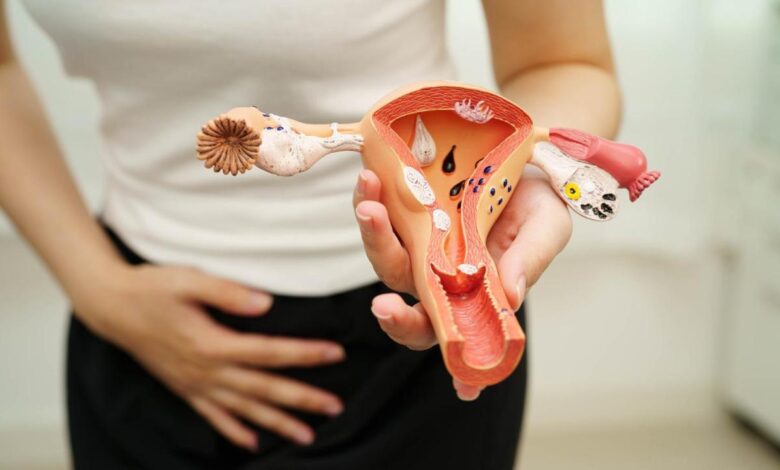
Menstrual health continues to be surrounded by silence and stigma in many parts of society, even though experts repeatedly emphasize that it directly affects women’s physical comfort, mental wellbeing, and productivity. The conversation is slowly expanding, but workplace readiness and public awareness still lag behind what is needed for real equality.
A major concern raised by health and policy experts is the lack of proper infrastructure in workplaces. Basic needs such as clean and accessible toilets, sanitary waste disposal systems, rest breaks, and a supportive environment to discuss menstrual discomfort openly are still missing in many organizations. Without these essentials, policies alone fail to create real impact.
Adding to this concern, Sulabh International national director Neerja Bhatnagar pointed out that many Indian workplaces still operate within a male dominated structure. She emphasized that menstrual leave and related welfare measures should not be treated as exceptions but included as part of broader employee wellbeing policies. She also highlighted the importance of designing workplaces around women’s practical needs.
Legal experts have also weighed in on the issue. Senior Supreme Court advocate Geeta Luthra has stressed that access to clean and safe toilets should be considered a fundamental requirement rather than an optional facility. She also suggested that menstrual leave should be formally recognized in the same way as other medical or personal leave categories.


From a medical perspective, Max Healthcare IVF department head Dr. Surveen Ghuman Sindhu noted that menstruation is still treated as a sensitive or uncomfortable topic in many social settings. She explained that formal recognition and structured support systems would encourage women to speak more openly about their health challenges without hesitation or shame.
Despite growing awareness, implementation remains the biggest hurdle. Former NITI Aayog director Urvashi Prasad observed that several well intended policies remain confined to paper. She pointed out that doubts about misuse often slow down execution, and stressed the need for a shift in mindset to ensure real-world application of supportive measures.
Human capital consultant Dr. Kiranpreet Kaur added that menstrual health awareness must begin much earlier, especially in schools and workplaces. She suggested that institutions and government bodies should collaborate to run awareness programs that normalize conversations around menstrual wellbeing and hygiene.
Real life experiences also highlight the strength of women when support systems exist. Mountaineer Sunita Singh Choken shared her journey of climbing Mount Everest while on her menstrual cycle. Despite extreme weather, oxygen shortage, and physical challenges, she continued her ascent and achieved her goal, proving that women can overcome any barrier when properly supported.
The larger picture, experts say, is clear. From inadequate sanitation in schools to silence around menstrual health in offices, women continue to face structural gaps at multiple levels. Addressing this requires coordinated action from policymakers, institutions, and society at large.
Changing attitudes, improving facilities, and normalizing open discussion around menstruation are no longer optional steps but necessary reforms. Only then can workplaces and public spaces truly support women’s health, dignity, and equal participation in every sphere of life.