Kitchen Scrubbers Can Affect Your Health Here Is How To Choose The Right One
Using the wrong kitchen scrubber or keeping it for too long can spread harmful bacteria damage cookware and affect hygiene while the right cleaning habits help protect your family every day.

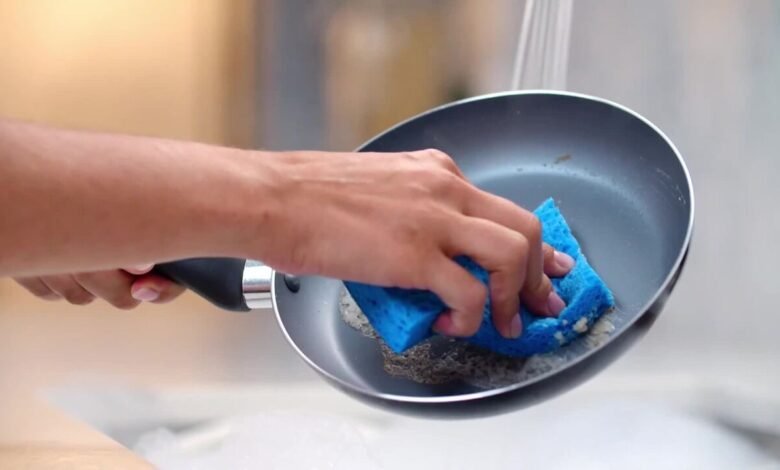
A clean kitchen is not just about sparkling utensils. The scrubber you use every day plays an important role in maintaining hygiene and protecting your family’s health. Many people buy steel, plastic, or sponge scrubbers without knowing which one suits different types of cookware. Experts say that using the wrong scrubber or continuing to use the same one for months can turn it into a breeding ground for harmful bacteria.
Kitchen sponges are among the most commonly used cleaning tools, but they also require the most attention. Their soft texture makes them perfect for cleaning nonstick cookware, ceramic dishes, and glassware without leaving scratches. However, because they remain damp for long periods and trap tiny food particles, they can quickly become home to bacteria if not cleaned properly or replaced regularly.
Steel wire scrubbers are best reserved for heavy duty cleaning. They work well on burnt pots, greasy iron pans, and aluminium cookware where stubborn stains need extra scrubbing power. Despite their effectiveness, they should never be used on nonstick pans or delicate glass utensils. The rough metal surface can remove protective coatings, reduce the lifespan of cookware, and in rare cases loose steel strands may even break off during cleaning.
Plastic or nylon scrubbers offer a practical balance for daily use. They are suitable for cleaning stainless steel plates, spoons, lunch boxes, and plastic containers. Unlike sponges, they do not absorb much water, reducing the chances of bacterial growth. At the same time, they are gentler than steel scrubbers, making them a good option for regular household cleaning. Over time, however, the nylon fibers wear out and become less effective, so they should also be replaced when signs of damage appear.


Health specialists recommend replacing any kitchen scrubber every two to three weeks, especially sponge based ones. Even if a scrubber still looks clean, invisible bacteria may continue to multiply. Washing the scrubber thoroughly with a mild cleaning liquid after every use, squeezing out excess water, and drying it completely in a well ventilated area can significantly reduce microbial growth.
For households looking for an ecofriendly alternative, traditional coconut coir scrubbers remain a dependable choice. They are biodegradable, naturally resistant to retaining moisture, and less likely to support rapid bacterial growth. They also clean utensils effectively without causing unnecessary damage to cookware.
Simple kitchen habits can make a noticeable difference in household hygiene. Choosing the correct scrubber for each type of utensil, keeping cleaning tools dry, and replacing them on time can help reduce the risk of contamination while extending the life of your cookware. Small changes in everyday cleaning routines often have a lasting impact on both kitchen safety and family health.