Jamun Fruit Offers Powerful Ayurvedic Benefits for Health, Experts Highlight Its Natural Healing Properties
Rich in nutrients and medicinal value, jamun is praised in Ayurveda for supporting digestion, blood sugar control, and overall wellness when consumed in moderation as part of a balanced diet.

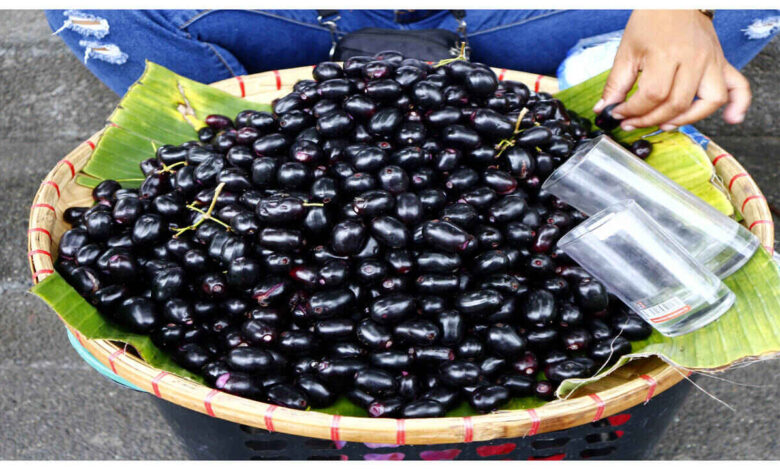
During the monsoon season, jamun or black plum becomes one of the most cherished seasonal fruits in India, not just for its taste but also for its wide range of health benefits. In Ayurveda, nearly every part of the jamun tree is considered valuable, including its fruit, seeds, leaves, bark, and even roots, all of which are believed to carry medicinal properties that support overall wellbeing.
Ayurvedic experts have long emphasized the role of jamun in maintaining internal balance in the body. The fruit is known for its cooling effect and is often recommended for improving digestion. Consuming a small quantity after meals is believed to help ease digestive discomfort and support a healthier gut process, especially during seasonal changes when stomach related issues are common.
One of the most well known traditional uses of jamun is in blood sugar management. The seeds of the fruit, when dried and powdered, are often used in controlled amounts as part of natural health practices. Experts suggest that this seed powder may help maintain balanced glucose levels in the body, making it a subject of interest for those managing diabetes under medical supervision.
Beyond blood sugar control, jamun is also valued for its nutritional profile. It contains iron and vitamin C, both of which play an important role in supporting healthy blood production and reducing signs of fatigue or weakness. Its natural compounds are also believed to assist in purifying the blood and improving overall vitality when included as part of a balanced diet.


Traditional practices in rural communities highlight the use of jamun bark and leaves in everyday health care. The bark has been historically used for oral hygiene, with people using it to strengthen gums and reduce bleeding. This age old practice reflects how deeply the tree has been integrated into traditional wellness systems.
Jamun leaves also carry their own set of benefits. Chewing fresh leaves is believed to help reduce bad breath and support gum health. In some traditional remedies, crushed leaves or their extract are applied to minor wounds, as they are thought to support faster healing and reduce irritation.
Despite its many benefits, health experts advise moderation when consuming jamun. People who are already on medication for diabetes should be particularly cautious, as excessive intake of seed powder may lead to an unwanted drop in blood sugar levels. Similarly, eating the fruit on an empty stomach may cause discomfort such as acidity or nausea in some individuals.
There are also traditional dietary practices associated with jamun consumption. In many parts of India, the fruit is eaten with a pinch of salt, which is believed to enhance digestion and flavor. However, individuals with high blood pressure or diabetes are often advised to consume it without added salt to avoid unnecessary complications.
Jamun also holds a significant place in ancient Indian cultural and historical references. According to traditional beliefs, regions with abundant jamun trees were once associated with the ancient name Jambudweep, highlighting the tree’s importance in early civilization narratives. This connection shows that jamun is not only valued as a seasonal fruit but also as part of India’s cultural and natural heritage.
With its combination of nutritional richness and traditional medicinal value, jamun continues to be appreciated across generations. When consumed thoughtfully and in moderation, this seasonal fruit offers a simple yet powerful way to support health while staying connected to age old Ayurvedic wisdom.