Frequent AC Switching Can Increase Power Bills and Damage Your Appliance
Experts warn that repeatedly turning air conditioners on and off during extreme summer heat may raise electricity consumption, damage compressors and reduce the overall lifespan of cooling systems significantly.

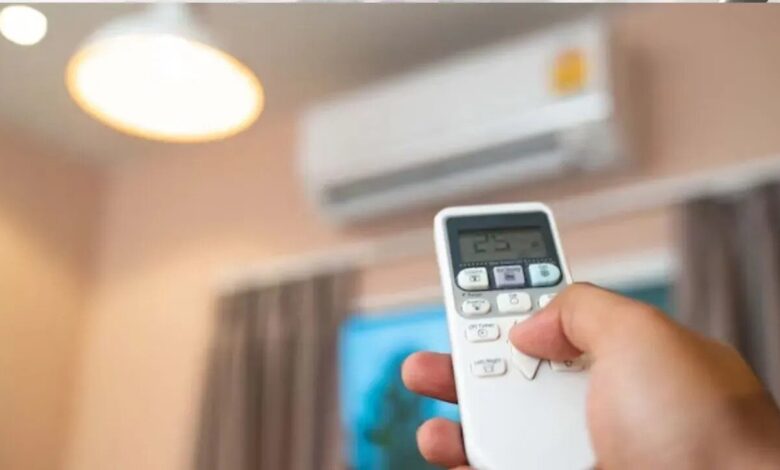
As summer temperatures continue to soar, air conditioners have become an essential part of daily life in many homes. However, cooling experts are warning people against a common habit that could quietly damage their AC units and lead to unexpectedly high electricity bills. Many users switch off the air conditioner as soon as the room becomes cool and turn it back on again within minutes when the heat returns. According to technicians, this repeated on and off cycle can create serious long term problems.
Cooling appliances consume the highest amount of energy during startup. Every time the AC is restarted, the compressor has to work harder to cool the room again from the beginning. Experts say this repeated strain increases power consumption significantly, especially during peak summer conditions when outside temperatures remain extremely high throughout the day.
Electrical technicians explain that the compressor is the heart of an air conditioner. Constantly forcing it to shut down and restart within short intervals places heavy stress on internal components. Over time, this can lead to overheating and reduce the lifespan of the compressor, which is usually one of the most expensive parts to repair or replace.
Professionals also warn that repeated switching can affect electrical wiring, capacitors and other sensitive internal circuits inside the AC system. In some situations, sudden power fluctuations caused by frequent restarting may even trigger short circuits or permanent component damage.


Experts say many people believe they are saving electricity by turning the AC off repeatedly, but the opposite often happens. When the cooling cycle is interrupted frequently, the machine needs extra energy to restore the desired room temperature again and again. This continuous workload pushes monthly electricity bills much higher than expected.
Instead of switching the unit on and off repeatedly, cooling specialists recommend maintaining a stable temperature between 24 and 26 degrees Celsius. This range is considered both comfortable for the human body and energy efficient for air conditioners. Modern AC systems are designed to maintain room temperature automatically without needing constant manual control.
Experts also encourage users to make better use of features such as sleep mode, eco mode and timers available in most modern air conditioners. These settings help regulate cooling intelligently according to room conditions and reduce unnecessary energy consumption.
Another important suggestion is to keep doors and windows properly closed while the AC is running. If warm air continues entering the room, the appliance will work harder for longer periods, further increasing power usage and reducing efficiency.
Technicians say regular maintenance is equally important during summer. Cleaning air filters and servicing the unit periodically can improve cooling performance and reduce pressure on the system.
With extreme heat becoming more common every year, energy experts believe smarter AC usage habits can help families stay comfortable without damaging appliances or facing heavy repair costs. Small changes in daily usage patterns may significantly improve both cooling efficiency and the lifespan of the machine.