Cooking Oils and Health What Most People Still Don’t Understand About Daily Oil Choices
Confusion around cooking oils has increased as social media trends constantly promote one oil after another as the ultimate healthy choice but nutrition experts say no single oil can magically transform health and the real focus should be on balance quality and usage habits

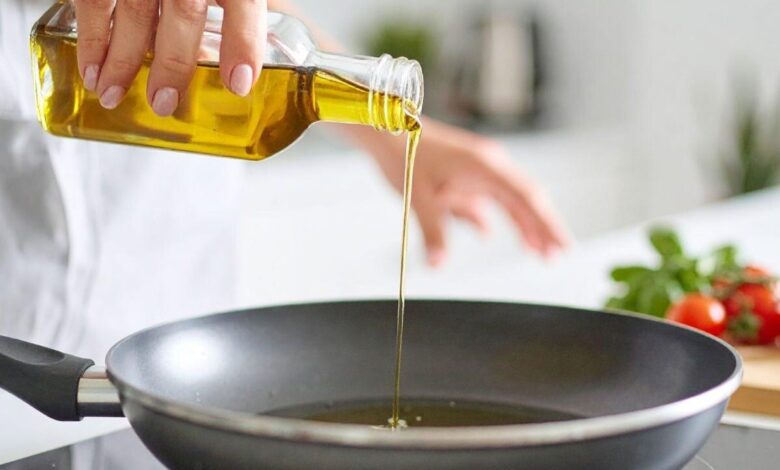
In many households oil choices have become more influenced by online claims than traditional wisdom One week olive oil is praised as the healthiest option and the next week coconut or mustard oil is criticised or glorified This constant shift often leaves people unsure about what is actually safe and suitable for everyday cooking
Interestingly Indian food culture has always followed diversity in oil usage rather than depending on a single source Different regions historically used oils based on climate and crop availability In the north mustard oil was common in the south coconut oil was widely used while western regions preferred groundnut and sesame oils This shows a long standing understanding of food and environment balance rather than modern confusion
Experts explain that the idea of smoke point plays a key role in choosing the right cooking oil Smoke point refers to the temperature at which oil starts breaking down and losing its nutritional value Oils like mustard and groundnut have higher smoke points making them suitable for frying and high heat cooking which is common in Indian kitchens
On the other hand oils like extra virgin olive oil have a lower smoke point and are not ideal for deep frying or high heat cooking They are better suited for salad dressings or light cooking where heat exposure is minimal Using them correctly helps preserve their natural nutrients and flavor instead of damaging them through overheating


There is also a common misunderstanding about refined oils Many assume they are harmful but refining is mainly a process that removes impurities and stabilizes oil for cooking However experts suggest that less processed options like cold pressed or virgin oils may offer additional nutrients while still being safe when used appropriately in moderation
Nutrition specialists strongly recommend oil rotation instead of sticking to a single type for long periods Switching between oils such as groundnut mustard and sesame every few weeks can help the body receive a balanced mix of fatty acids supporting overall heart health and nutritional variety
Equally important is the quantity of oil used in daily cooking Regardless of the type experts advise limiting intake to around 15 to 20 milliliters per day for a healthy individual Ultimately it is not just about choosing the right oil but also using it wisely in the right amount that truly supports long term wellness