Minister’s son on stage sparks protocol row at Kanakagiri Utsav meeting

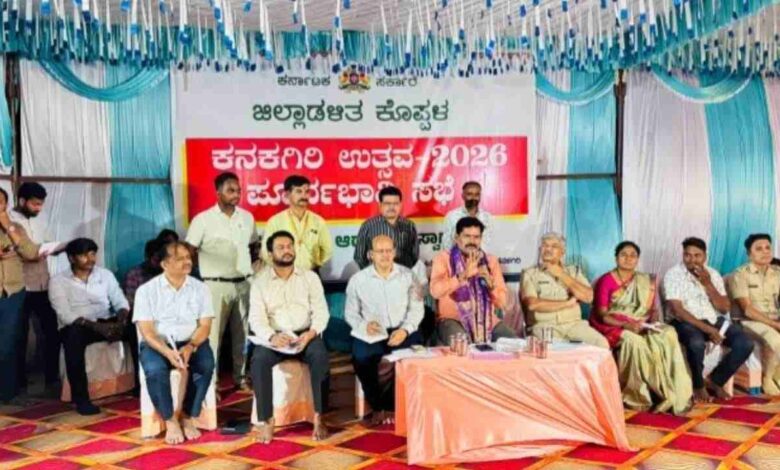
Koppal : A controversy has erupted in Karnataka’s Koppal district after an alleged breach of official protocol during a preparatory meeting for the Kanakagiri Utsav. The presence of Shivaraj Tangadagi’s son, Shashank, on the dais while senior government officials were left standing has triggered sharp public criticism.
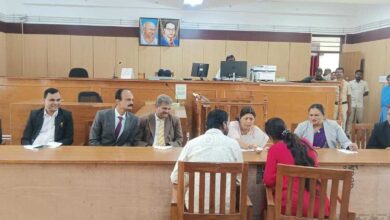
The incident occurred during a pre-event meeting held in Kanakagiri on Tuesday. Eyewitnesses said Shashank was seated prominently on the stage, while key officials, including the tahsildar and the taluk panchayat executive officer, were reportedly not provided chairs and had to remain standing throughout the proceedings.
The visuals from the meeting, which have circulated widely on social media, have raised serious questions about administrative conduct and adherence to government protocol. As per established norms, only elected representatives and designated officials are given priority seating at official events. However, in this instance, the minister’s son appeared to receive preferential treatment.

Reacting to the controversy, Koppal Deputy Commissioner Suresh Itnal said the matter had not come to his notice earlier. “I was not aware that the minister’s son was seated on the dais. We will look into the issue,” he said, indicating that an internal review may follow.
The incident has sparked outrage among locals, with many questioning whether political influence is overriding administrative norms. “Are ministers’ family members more powerful than officials? What role did he have in a government meeting?” asked a resident, reflecting widespread public sentiment.
Facing criticism, Minister Shivaraj Tangadagi distanced himself from the episode and admitted that his son’s presence on the stage was inappropriate. “What my son did was wrong. He is not a public representative and had no role in sitting on the stage at a government function,” the minister said, clarifying that such actions should not have occurred.
The episode has also reignited debate over the growing influence of political families in official matters. Critics argue that such incidents undermine the dignity of public institutions and demoralise officials who are expected to uphold governance standards.
With pressure mounting, the district administration may be compelled to issue a formal clarification or take corrective measures. The Kanakagiri incident now stands as a reminder of the need for strict adherence to protocol in public functions.