Karnataka Reservoir Water Levels Update as Reduced Monsoon Rain Slows Inflow to Major Dams
Reduced rainfall across the Cauvery basin has lowered inflow into major Karnataka reservoirs while dams continue to maintain comfortable storage supporting drinking water irrigation and regulated downstream releases.

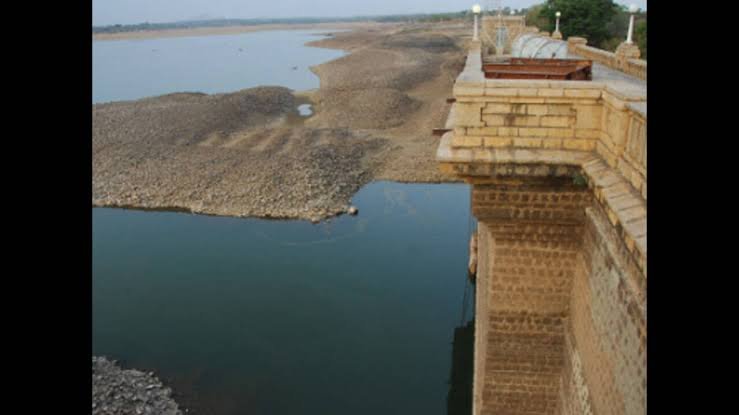
A decline in monsoon rainfall across the Cauvery catchment has begun to affect inflow into Karnataka’s major reservoirs, although water storage in most dams remains at healthy levels. After several days of heavy rain that rapidly filled reservoirs across the state, authorities are now witnessing a noticeable reduction in incoming water, prompting closer monitoring of reservoir operations and controlled water releases.
The latest reservoir data shows that inflows into several key dams have fallen compared to previous days. Despite this slowdown, officials maintain that current storage levels are sufficient to meet drinking water requirements while supporting irrigation needs in many parts of the state. Water resource authorities continue to regulate releases carefully to balance storage, downstream river flow and flood management.
One of the most closely monitored reservoirs is the Krishnaraja Sagar dam, popularly known as KRS, located in Mandya district. The reservoir experienced strong inflows during the recent spell of heavy monsoon rain, allowing the water level to cross the significant 100 foot mark. However, with rainfall reducing across the Cauvery basin, inflow has now declined considerably.
According to the latest figures, KRS currently has a water level of 105.87 feet against its maximum capacity level of 124.80 feet. The reservoir is receiving an inflow of 10176 cusecs, a sharp decline from the previous day’s inflow of more than 19000 cusecs. Authorities are releasing approximately 2015 cusecs mainly to meet drinking water requirements downstream.


The reservoir has a total storage capacity of 49.452 TMC, with around 27.770 TMC of water currently available. Although inflow has slowed, officials believe the present storage position remains comfortable for this stage of the monsoon season.
Kabini reservoir has also recorded reduced inflow following the decrease in rainfall across its catchment area. The reservoir currently stands at a water level of 81.82 feet compared to its maximum level of 84 feet. It is receiving approximately 13969 cusecs of water while releasing around 7000 cusecs downstream.
Only a few days ago, significantly higher discharge was being maintained from the reservoir because of heavy inflow. With the rainfall easing, authorities have reduced water releases from nearly 27000 cusecs to about 7000 cusecs, reflecting improved flood management conditions in the downstream river system. The reservoir presently stores around 18.13 TMC of water.
Harangi reservoir in Kodagu district remains close to its full storage level. The current water level stands at 2858.15 feet against a maximum level of 2859 feet. The reservoir is receiving an inflow of approximately 3562 cusecs while releasing around 3883 cusecs into the river.
The near full condition of Harangi reflects the substantial rainfall received in Kodagu during recent weeks. Continuous monitoring is underway to ensure water levels remain within safe operational limits while maintaining downstream river flow.
Hemavathi reservoir near Gorur in Hassan district continues to hold a significant volume of water despite reduced rainfall. The current water level stands at 2913.36 feet compared with the maximum level of 2922 feet. The reservoir presently stores around 29.318 TMC of water.
Authorities reported an inflow of approximately 6758 cusecs into the reservoir while releasing only about 500 cusecs downstream. No water is currently being released into irrigation canals, indicating that water managers are prioritising storage as inflow gradually declines.
Interestingly, reservoir records show that water availability at Hemavathi remains lower than the corresponding period last year. On the same date during the previous year, the reservoir held approximately 37.026 TMC of water with a higher water level and stronger inflow. The comparison highlights the seasonal variations that influence reservoir performance each year depending on rainfall patterns.
In northern Karnataka, Basavasagara reservoir near Narayanpur continues to receive substantial inflows despite changing weather conditions. The reservoir is currently receiving nearly 150000 cusecs of water while releasing about 145000 cusecs downstream. The present water level stands at 491.30 metres against the maximum permissible level of 492.25 metres.
Almatti dam also continues to manage large water volumes. According to the latest update, the reservoir has reached a water level of 518.77 metres compared to its maximum level of 519.60 metres. The dam is receiving an inflow of around 133196 cusecs while releasing approximately 151287 cusecs as part of regulated river management.
Water resource experts explain that fluctuations in reservoir inflow during the monsoon are common. Heavy rainfall over a few days can rapidly increase storage levels, while even a short reduction in rainfall can immediately reduce inflow, especially in catchment areas where river flow depends directly on seasonal precipitation.
Officials continue to monitor rainfall forecasts issued by the India Meteorological Department to determine future reservoir operations. If rainfall intensifies again across the Cauvery basin and western districts, inflows into KRS, Kabini, Harangi and Hemavathi are expected to rise once more.
For farmers, the current storage position provides reassurance ahead of the upcoming agricultural season. Healthy reservoir levels ensure sufficient water availability for irrigation, particularly if rainfall becomes uneven during the later stages of the monsoon. Drinking water supplies for major cities and towns also remain secure due to the comfortable storage available in these reservoirs.
Authorities have advised people living near riverbanks to remain alert whenever reservoir discharge changes, as water releases may be adjusted depending on rainfall and storage conditions. Overall, although inflow has slowed because of reduced rainfall, Karnataka’s major reservoirs continue to remain in a favourable position with substantial water reserves available for both domestic and agricultural needs.