Karnataka Has 8786 BS 3 Buses Across Four Transport Corporations
Karnataka transport corporations still operate thousands of BS 3 buses, while phased scrapping and newer cleaner vehicles are being considered to reduce pollution across the state as pollution concerns grow.

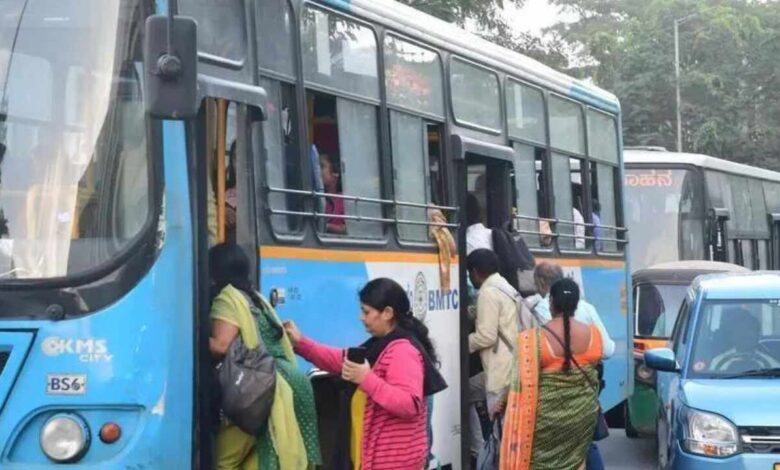
Karnataka continues to operate thousands of older BS 3 buses through its four government transport corporations, raising fresh concerns about emissions and the need to replace ageing vehicles.
The four corporations are BMTC, KSRTC, North Western Karnataka Road Transport Corporation and Kalyana Karnataka Road Transport Corporation. Together, they operate 25996 buses, of which 8786 are reported to follow the BS 3 emission standard.
Among the four corporations, KSRTC has the largest number of BS 3 buses, with 4135 vehicles in this category. The remaining BS 3 buses are distributed between BMTC, NWKRTC and KKRTC.
The issue has attracted attention because BS 3 vehicles belong to an older emission standard than BS 6 vehicles. Older diesel buses can produce higher levels of certain pollutants, although actual emissions also depend on the condition and maintenance of individual vehicles.

The National Green Tribunal has previously dealt with concerns over older diesel buses operated by Karnataka transport corporations. Proceedings have included discussions about replacing older buses with electric and newer emission standard vehicles.
BMTC has faced particular scrutiny over the gradual replacement of older buses. A performance audit by the Comptroller and Auditor General noted that BMTC had committed to phasing out BS 3 and BS 4 buses, but delays were observed in implementing the proposed scrapping programme.
The situation is also significant in Bengaluru because BMTC operates a large fleet across the city. The corporation has already introduced newer BS 6 buses as well as electric buses, indicating a gradual shift towards vehicles with lower emissions.
The replacement process, however, cannot happen overnight. Government transport corporations need to maintain enough buses to serve passengers across urban and rural routes. Removing large numbers of older buses without replacing them could also affect public transport availability.
For this reason, the state has been following a phased approach to vehicle retirement. Buses that complete 15 years are being taken out of service gradually, according to the information provided by the transport corporations.
Over the past five years, 5451 buses have reportedly been scrapped across the four corporations. Another proposal has been submitted for the retirement of 9518 buses that are expected to complete 15 years of service by 2031 and 2032.
BMTC also has more than 700 buses that are reported to have reached the stage where they are due for scrapping. The corporation has a total fleet of 6929 buses, including 1779 electric buses, according to the figures provided.
The presence of electric buses is an important part of the transition. Electric buses do not produce tailpipe emissions while operating, although their overall environmental impact also depends on factors such as electricity generation, manufacturing and battery production.
The push to replace older diesel buses has also been linked to earlier environmental proceedings. In a 2024 case, the National Green Tribunal sought responses from the Karnataka government and the Karnataka State Pollution Control Board over a petition concerning pollution from diesel public transport vehicles.
Earlier proceedings before the tribunal had also recorded plans for BMTC to replace BS 3 buses with electric and BS 6 vehicles. The tribunal documents show that BMTC had submitted timelines for phasing out thousands of older buses.
The issue is therefore not simply about the number of BS 3 buses currently on the roads. It also involves the pace at which transport corporations can purchase replacement vehicles and remove older buses from service.
Passengers and environmental campaigners have been calling for quicker replacement of ageing buses, particularly where older vehicles are still being used regularly. Their concern is that cleaner public transport could help reduce emissions while also improving the overall quality of the fleet.
At the same time, public transport remains essential for millions of passengers across Karnataka. KSRTC, BMTC, NWKRTC and KKRTC operate services connecting cities, towns and villages, so fleet replacement needs to be coordinated with passenger demand.
The state has already moved towards BS 6 and electric buses, but the continued presence of thousands of BS 3 vehicles shows that the transition is still underway.
The figures also highlight the scale of the investment required. Replacing thousands of buses involves significant spending on new vehicles, charging infrastructure for electric buses, maintenance facilities and supporting transport infrastructure.
For passengers, the change could eventually mean a newer and cleaner public transport fleet. For the government and transport corporations, the challenge will be to balance environmental requirements with the need to keep services running reliably.
As more older buses reach the end of their service life, the proposed phased scrapping programme is expected to become an important part of Karnataka’s transport planning. The pace of replacement will determine how quickly the state can reduce its dependence on older diesel buses.
The debate over BS 3 buses also reflects a broader shift in public transport policy. With electric and BS 6 vehicles becoming more common, Karnataka’s four transport corporations are gradually moving towards cleaner fleet options while continuing to meet the daily travel needs of passengers.