Karnataka Forest Department Tightens Trekking Rules After Rising Accidents And Missing Cases
Karnataka Forest Department is preparing stricter trekking rules across forest routes, including visitor limits, GPS tracking, trained guides and emergency rescue teams for safer trails.

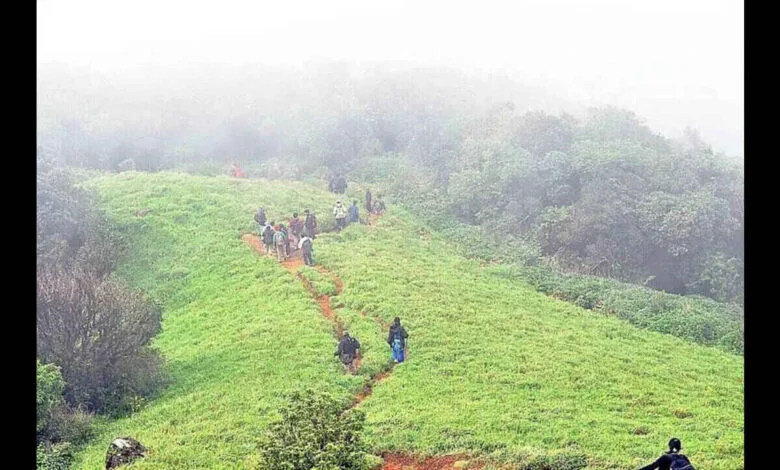
The Karnataka Forest Department is preparing a new set of safety measures for trekking routes across the state following a series of accidents, missing person cases and wildlife related incidents. The proposed measures are aimed at making forest trails safer while also controlling the number of visitors entering sensitive areas.
A total of 39 regular forest trekking routes have been identified for the new system. Officials are planning to introduce carrying capacity limits on these routes so that visitor numbers remain within levels that the trails and surrounding environment can reasonably handle.
The decision comes after several incidents raised concerns about the safety of trekkers. A 10 year old boy reportedly died following a leopard attack at Male Mahadeshwara Hills. In another incident, a woman who had gone trekking along the Bandaje Falls route died. A separate case involved a woman from Kerala who went missing after losing her way at Thadiyandamol and was later rescued by forest personnel.
These incidents have increased attention on the risks faced by people entering forest and Western Ghats areas without adequate preparation or local knowledge. The department is therefore working on a new standard operating procedure covering trekking operations and visitor safety.


GPS based tracking is among the measures being considered. The system would help officials monitor trekkers and could make it easier to locate people if someone gets separated from a group or fails to return within the expected time.
The department is also planning to train young people from local communities and appoint them as authorised nature guides. Their knowledge of the surrounding terrain could help visitors navigate forest routes more safely while also creating opportunities for people living near trekking destinations.
Better signboards and basic infrastructure are expected to form another part of the safety plan. Clear route markers could reduce the chances of trekkers taking the wrong path, especially on trails where dense vegetation and changing weather can make navigation difficult.
Emergency response arrangements are also being strengthened. Rescue teams will be kept ready to respond quickly when accidents, missing person cases or other emergencies are reported along trekking routes.
The department is expected to take a more cautious approach in areas where wildlife movement is frequent. Trekking may be completely prohibited in particularly sensitive zones where the risk to visitors is considered high.
At the same time, selected routes that are considered relatively safe could be reopened in phases. Kudremukh is among the areas being considered for a gradual return of trekking activities, subject to safety conditions and the implementation of the new measures.
The department is also planning action against people who ignore trekking rules. Trekkers who repeatedly violate regulations and unauthorised guides could face blacklisting, which would restrict their participation in organised trekking activities.
The focus of the new approach is not only on controlling tourists but also on protecting forest ecosystems. Limiting visitor numbers can reduce pressure on popular trails, particularly during periods when large crowds gather at the same locations.
For trekkers, the changes are likely to mean greater emphasis on authorised routes, registered guides and compliance with forest department instructions. The measures could also make rescue operations more organised if an emergency occurs.
With trekking becoming increasingly popular across Karnataka, the department’s proposed rules are intended to strike a balance between allowing people to explore the state’s natural landscapes and protecting visitors, wildlife and fragile forest areas.