Karnataka Dams, Tungabhadra Dam, Almatti Reservoir, KRS Dam, Monsoon Rain, Karnataka Water Level
Heavy monsoon rainfall has significantly increased inflows into Karnataka reservoirs bringing relief to farmers strengthening irrigation prospects improving water availability and raising optimism for the ongoing agricultural season statewide

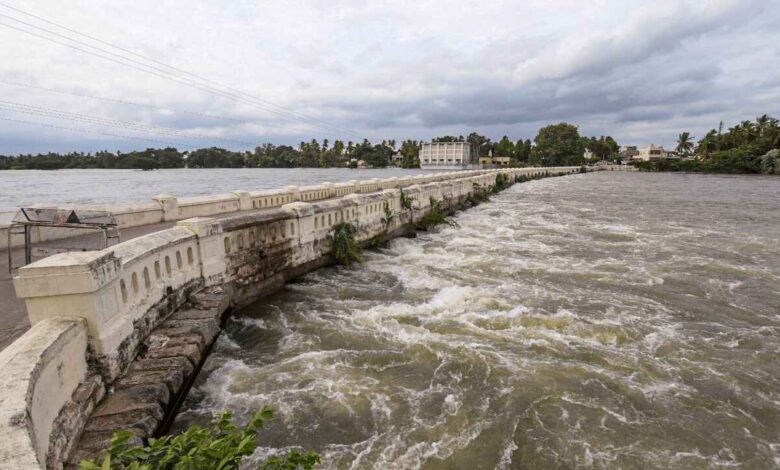
Continuous monsoon showers across Karnataka have brought welcome relief to the state’s water resources, with major reservoirs witnessing a sharp rise in storage levels. The consistent rainfall over the Cauvery basin, Malnad region and parts of North Karnataka has substantially improved inflows into several important dams. The encouraging development has created a positive atmosphere among farmers who depend on these reservoirs for irrigation during the current agricultural season.
The latest reservoir data shows that some of Karnataka’s biggest dams are steadily filling up, improving water security for agriculture, drinking water supply and power generation. Reservoirs across both the Cauvery and Krishna river basins have recorded healthy inflows, indicating that the ongoing southwest monsoon is performing well in many catchment areas.
Among the major beneficiaries is the Tungabhadra Reservoir near Munirabad in Koppal district. The reservoir has been receiving more than one lakh cusecs of inflow, marking a significant improvement compared to recent weeks. The dam, which has a storage capacity of around 105 TMC, has witnessed a remarkable rise in water storage within a short period. Current storage has crossed 59 TMC after gaining nearly 9 TMC in just one day. The increase has brought renewed confidence to farmers in Koppal, Ballari, Raichur and Vijayanagar districts, where irrigation from the Tungabhadra project supports thousands of hectares of agricultural land.
The Almatti Dam on the Krishna River has also experienced a strong inflow due to heavy rainfall in the upstream catchment areas. Official figures indicate that the reservoir is receiving more than 145000 cusecs of water, while over 151000 cusecs are being released downstream to maintain safe reservoir levels. The water level has reached close to its maximum capacity, reflecting the healthy flow of the Krishna River during the current monsoon season. The improved storage is expected to benefit irrigation networks spread across large parts of North Karnataka.


In southern Karnataka, the Krishna Raja Sagara Reservoir continues to gain water steadily. As one of the state’s most important reservoirs, KRS plays a crucial role in supplying irrigation water to the Mandya region while also supporting drinking water requirements in several cities. The present water level has risen to more than 105 feet against the maximum level of 124.80 feet. The reservoir currently stores over 27 TMC of water, with inflows remaining much higher than outflows. Officials believe that if rainfall continues in the Cauvery catchment areas, storage could improve further over the coming weeks.
Kabini Reservoir in Mysuru district has also registered healthy inflows after widespread rainfall in the surrounding hills and forests. The reservoir received substantial rainfall over the last twenty four hours, leading to inflows exceeding 22000 cusecs. With storage reaching nearly 18.3 TMC out of its total capacity of 19.52 TMC, the reservoir is approaching full capacity. Authorities are releasing around 27000 cusecs of water downstream to regulate storage levels and ensure dam safety.
The Hemavathi Reservoir at Gorur in Hassan district is another major water source that has benefited from the active monsoon. The reservoir now holds nearly 29 TMC of water against its maximum capacity of 37 TMC. Regular inflows continue to improve storage, while controlled releases are being maintained for downstream requirements. Farmers across the command area are optimistic that the improved water availability will support irrigation throughout the cropping season.
Agriculture remains one of the biggest beneficiaries of the improved reservoir levels. Farmers who cultivate paddy, sugarcane, maize and other crops rely heavily on irrigation from these dams. After facing uncertainty during dry periods in previous years, the current monsoon has restored confidence among farming communities. Sufficient water storage also reduces concerns about irrigation shortages during critical crop growth stages.
Apart from agriculture, rising reservoir levels also strengthen drinking water security for several towns and cities. Major urban centres receive water from reservoirs such as KRS and Kabini, making healthy storage essential for meeting domestic demand during the coming months. Increased storage also improves prospects for hydroelectric power generation wherever reservoir based projects are operational.
Water resource officials continue to monitor inflows and outflows closely as rainfall remains active across Karnataka. Controlled water releases are being carried out wherever necessary to maintain safe operating levels while ensuring downstream river systems receive adequate flow. Authorities are also keeping a close watch on weather forecasts to prepare for any further increase in inflows if heavy rainfall continues.
Meteorologists expect monsoon activity to remain favourable across several parts of Karnataka over the next few days. Continued rainfall in the Western Ghats and river catchment areas is likely to sustain healthy inflows into the state’s major reservoirs. If these conditions persist, several dams could reach comfortable storage levels before the end of the monsoon season.
The overall reservoir situation has brought renewed optimism across Karnataka. Improved water storage not only strengthens irrigation prospects but also enhances water availability for households, industries and power generation. For thousands of farmers waiting for a dependable monsoon, the rising reservoir levels have become a symbol of hope, offering confidence that the current agricultural season could progress with fewer water related challenges.