
FSSAI Moves to Restrict Paneer Name for Non Dairy Productsa
FSSAI has proposed new restrictions on products made without milk, seeking to prevent non dairy analogues from being sold or described as paneer and give consumers clearer information before purchase.

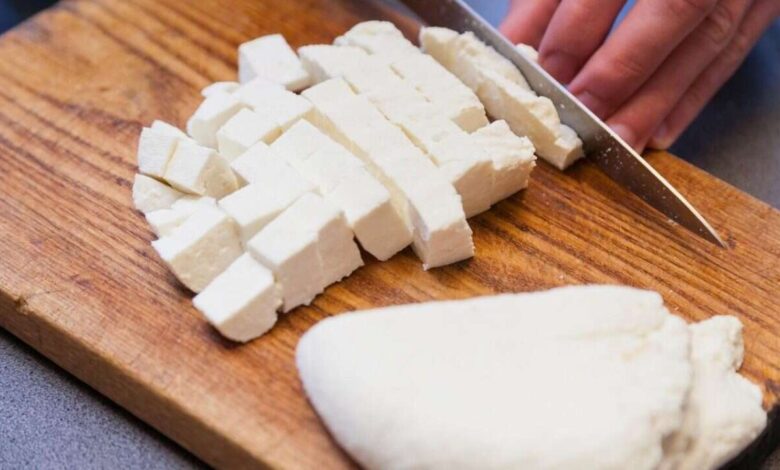
The Food Safety and Standards Authority of India has proposed changes aimed at preventing non dairy products from being marketed as paneer. The move is intended to reduce confusion among consumers and make it easier to distinguish traditional dairy paneer from products made using other ingredients.
The proposal was published by FSSAI on September 24 as a draft amendment to the Food Safety and Standards regulations. The authority has invited comments and suggestions from the public and stakeholders for 60 days before considering the final rules.
Under the proposed changes, products made using constituents that are not derived from milk would not be allowed to use the name paneer. This is aimed particularly at dairy analogue products in which milk components can be replaced with vegetable oils, fats or vegetable proteins.
The issue has gained attention because analogue products can sometimes resemble familiar dairy products in appearance and use. Without clear naming and labelling, consumers may find it difficult to understand exactly what they are buying.


The proposed restriction therefore focuses on the name used for such products rather than simply their appearance. FSSAI is seeking to ensure that a product made without the required milk constituents is not presented to consumers as conventional paneer.
This is not yet a final nationwide ban. The notification currently represents a draft regulatory proposal, and the authority has provided a 60 day period for people and stakeholders to submit their views. The final decision will be taken after the consultation process.
The move follows earlier action and discussions around dairy analogues. FSSAI had previously considered ways to ensure that analogue products were properly identified and not misrepresented as dairy products.
In April, the FSSAI Western Region also issued directions to centrally licensed food businesses regarding cheese analogues. The notice said such products should not be sold or described as paneer and called for proper naming and disclosure when analogues are used.
FSSAI has also previously sought public views on how dairy analogue products should be labelled. An earlier consultation paper suggested using terms such as non dairy or analogue before dairy related names when such products are used in prepared foods.
The latest draft takes the issue further by specifically proposing restrictions on the sale of paneer made from constituents that are not derived from milk. The proposal is part of the regulators broader effort to maintain clarity around food standards and product descriptions.
Karnataka is among the states that have already taken action against analogue paneer at the state level. Other states including Gujarat and Maharashtra have also implemented similar measures, according to recent reporting.
For consumers, the distinction is important because traditional paneer is a dairy product with prescribed standards. FSSAI maintains standards for dairy products including paneer under its food product regulations.
The proposed rule could also affect manufacturers, restaurants and food service businesses that currently use analogue products. Businesses would need to ensure that their product names and descriptions accurately reflect the ingredients used if the proposed changes are adopted.
For shoppers, clearer naming could make it easier to understand whether a product is traditional paneer or a non dairy alternative. This is particularly relevant when products are purchased in packaged form or when prepared dishes are sold by restaurants and other food businesses.
The consultation period will now give manufacturers, consumers, food businesses and other stakeholders an opportunity to raise concerns or suggest changes. FSSAI will consider those submissions before deciding whether and how the proposed amendment should be finalised.
The proposal therefore marks an important step in the regulation of dairy analogue products, but its final form is still to be determined. Until the consultation process is completed and a final notification is issued, the proposed restrictions should not be treated as a completed nationwide ban.