Bengaluru Air Quality Improves as Rain Keeps Pollution Under Control
Recent rainfall and changing weather conditions have helped improve air quality across Bengaluru and several Karnataka cities, bringing pollution levels into a more comfortable range for residents today.

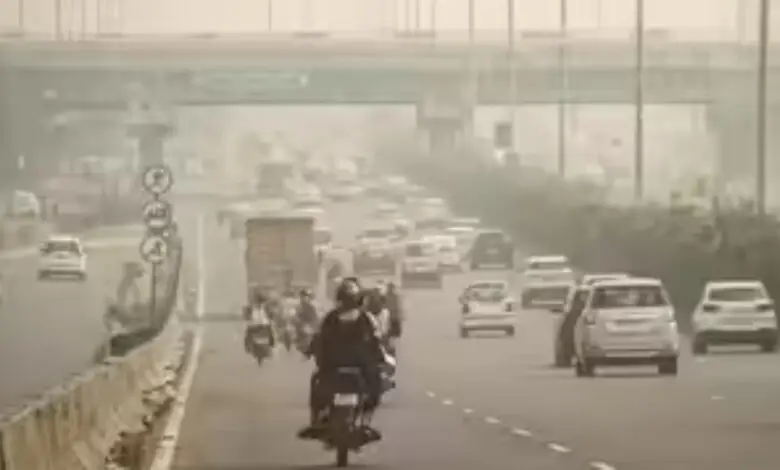
Bengaluru is seeing a noticeable improvement in air quality as rainfall and stronger winds help clear dust and other pollutants from the atmosphere. The latest air quality readings indicate that several parts of the city are currently recording moderate and satisfactory conditions, offering some relief to residents who regularly deal with traffic related pollution.
The improvement is not limited to Bengaluru. Several other important cities across Karnataka are also reporting controlled pollution levels. The combination of monsoon activity, rainfall and increased movement of air has helped reduce the concentration of suspended particles in many urban areas.
According to the available readings, Bengaluru is recording an average Air Quality Index between 55 and 67. This places the city largely within the moderate category. Although the numbers are not in the very clean category everywhere, the present conditions remain considerably more comfortable compared with periods when pollution levels rise because of dry weather, road dust and heavy traffic.
Different parts of Bengaluru are showing some variation in air quality. Peenya, which is known for its industrial activity and busy roads, is recording an AQI of around 42 to 45. This indicates relatively cleaner conditions in the area at present. The improvement is particularly notable because industrial zones can often experience higher concentrations of airborne pollutants.


Traffic intensive areas are showing slightly higher readings. BTM Layout and Banashankari are recording AQI levels in the range of around 60 to 80. These areas experience substantial vehicle movement throughout the day, which can contribute to higher levels of particulate matter. Despite that, the readings remain within the moderate range.
The situation around MG Road and Majestic is also being closely watched because of the heavy movement of vehicles and pedestrians. The AQI in these areas is around 65, with PM2.5 and PM10 levels currently reported to be under control. Continued rainfall could help prevent road dust from becoming a major contributor to pollution in these busy parts of the city.
For general understanding, an AQI between zero and 50 is generally considered good, while readings between 51 and 100 fall under the moderate category. Bengaluru therefore remains within a relatively manageable range in the latest assessment. However, air quality can change during the day depending on traffic volume, weather conditions, wind speed and local activities.
Karnataka cities outside Bengaluru are also benefiting from the current weather pattern. Several coastal and cultural centres are reporting AQI levels between 35 and 48, indicating comparatively cleaner air. The coastal environment, combined with rainfall and regular air movement, is helping pollutants disperse more effectively.
Some locations in northern Karnataka are also recording relatively low pollution levels. Ballari and Kolar have reported AQI readings in the range of around 12 to 15 according to the information available, indicating very low pollution at the time of assessment. Other areas with industrial and commercial activity are recording readings around the moderate range.
The recent weather conditions appear to be playing an important role in this improvement. Rain can settle dust particles that otherwise remain suspended in the atmosphere, while stronger winds can help disperse pollutants. This can make a visible difference in cities where road traffic and construction activity frequently contribute to airborne particles.
For Bengaluru residents, the improvement is particularly noticeable because the city has a large number of vehicles and experiences regular traffic congestion. During dry periods, dust from roads and construction sites can add to the pollution burden. Monsoon showers can temporarily reduce this impact by keeping exposed surfaces damp and washing airborne particles out of the atmosphere.
However, cleaner air readings should not be interpreted as a guarantee that pollution will remain low throughout the day. Air quality can change quickly, especially near major roads, construction zones and industrial areas. Morning and evening traffic can also influence local readings even when the overall citywide AQI remains moderate.
People who are sensitive to changes in air quality should continue taking reasonable precautions when pollution levels increase. Individuals with breathing related health concerns may prefer to avoid spending extended periods near congested roads during busy hours. Keeping track of local AQI readings can also help residents decide when outdoor activities are more suitable.
The current improvement provides some relief for Bengaluru and other Karnataka cities, particularly during the monsoon season. If rainfall and favourable wind conditions continue, pollution levels may remain under control in several areas. At the same time, authorities and residents will still need to pay attention to traffic emissions, construction dust, waste burning and industrial pollution because these sources can affect local air quality even during rainy weather.
For now, Bengaluru appears to be experiencing a relatively comfortable period from an air quality perspective. The combination of rainfall, wind and reduced airborne dust has helped keep pollution within manageable levels across many parts of the city. Other Karnataka cities are also showing encouraging readings, although conditions can vary from one location to another.
The latest situation therefore offers a temporary breathing space for residents. Continued monitoring will remain important because the air quality picture can change as weather conditions shift and traffic activity increases. The monsoon has provided a natural boost to air quality, but maintaining cleaner urban air in the long term will depend on controlling pollution at its source.