Study Finds Rising Ground Level Ozone Exposure Making Bengaluru Air Increasingly Unsafe
A new study warns that Bengaluru residents are breathing unhealthy levels of ground level ozone for long hours daily, raising concerns over respiratory and cardiovascular health across the city

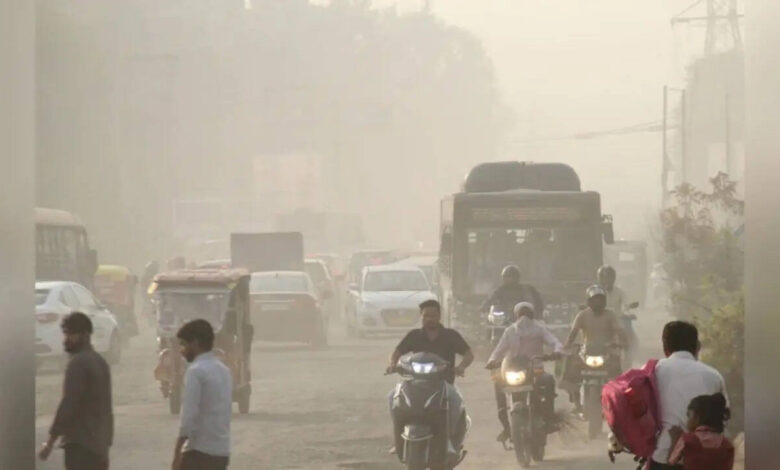
A recent study has raised fresh concerns about Bengaluru’s air quality, revealing that residents are being exposed to unhealthy levels of ground level ozone for an average of 16 hours every day. Researchers say the prolonged exposure could have serious implications for public health, particularly for people with existing respiratory and heart conditions.
The findings come from a study conducted by the Centre for Science and Environment, which monitored air quality across 25 Indian cities between March 1 and May 10, 2026. Bengaluru emerged as one of the cities with the highest number of days recording unsafe ozone concentrations, highlighting a growing environmental challenge.
According to the report, ground level ozone exceeded the National Ambient Air Quality Standards on 55 out of the 71 days covered by the study. Only Delhi and Bhopal recorded more days with ozone levels above the recommended limit, placing Bengaluru among the worst affected urban centres during the monitoring period.
Researchers noted that the eight hour average concentration of ground level ozone crossed the national safety limit of 100 micrograms per cubic metre on nearly every day of the study. This suggests that large sections of the city’s population were exposed to polluted air for extended periods rather than during brief pollution spikes.


One of the most concerning observations was that elevated ozone levels were no longer restricted to daytime. Traditionally, ground level ozone has been considered a daytime pollutant because it forms through chemical reactions involving sunlight. However, the study found that Bengaluru experienced dangerous ozone levels even after sunset on 14 nights, indicating a shift in pollution patterns that researchers describe as worrying.
Environmental experts explain that ground level ozone is a powerful oxidant capable of damaging lung tissue and irritating the respiratory system. Even short term exposure can trigger breathing difficulties, coughing and inflammation of the airways, particularly among children, older adults and individuals with asthma or other respiratory illnesses.
The report also warns that repeated long term exposure may contribute to more serious health conditions. These include an increased risk of cardiovascular disease, heart attacks, stroke and the worsening of chronic obstructive pulmonary disease. Health experts say reducing prolonged exposure to polluted air is essential to lowering these risks.
The findings have renewed calls for stronger measures to improve urban air quality in Bengaluru. Experts believe controlling vehicle emissions, industrial pollution and other sources that contribute to ozone formation will be critical in protecting public health as the city continues to grow.