Governor seeks review of Karnataka govt’s grading decision for SSLC third language

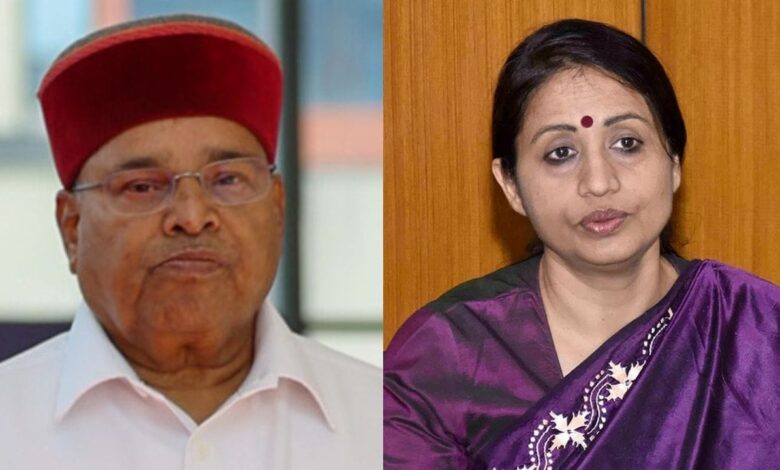
Bengaluru, : The controversy surrounding the Karnataka government’s decision to award grades instead of marks for the third language in SSLC examinations has taken a new turn, with the Governor stepping in and seeking a review of the policy.
A letter has been sent to Chief Secretary Shalini by the Governor’s office, through Special Secretary R. Prabhushankar, urging the state government to reconsider its decision. The communication highlights concerns that replacing marks with grades for the third language such as Hindi and other optional languages may dilute its academic importance.
The letter emphasises that the third language plays a crucial role in promoting linguistic diversity, awareness, and intellectual development among students. It cautions that shifting to a grading system could undermine the seriousness with which students approach the subject, potentially affecting overall learning outcomes.
The Governor’s office has also pointed out that the move may impact students’ motivation to study the third language. Parents have reportedly expressed concerns over the possible academic implications, prompting the Governor to take note of the issue. The letter advises the Chief Secretary to consult with relevant stakeholders and experts before taking a final decision, ensuring that educational objectives are not compromised.


The issue has already sparked widespread debate across the state. Various pro-Kannada organisations had earlier demanded that Hindi should not be made compulsory and should be excluded from the marks system. Responding to these demands, the government revised the SSLC evaluation pattern, fixing the total marks at 525 and excluding third language marks from the aggregate score.
Under the new system, while students are still required to appear for the third language exam, the marks obtained will not be counted in the final total. Instead, performance will be reflected through grades. Languages covered under this category include Hindi, Arabic, Urdu, Sanskrit, Konkani, Tulu, and Marathi.
However, critics argue that this approach creates a contradiction—making the exam compulsory while reducing its academic weight. The matter has also reached the Karnataka High Court, where a public interest litigation has been filed challenging the grading decision.
With the Governor’s intervention adding fresh significance to the issue, the state government now faces increasing pressure to revisit its policy. The outcome of consultations and legal proceedings is likely to play a crucial role in shaping the future of language education in Karnataka.