Electronics Prices Set to Surge: Smartphones, Laptops, and TVs Could Hit Your Wallet Hard
Rising component costs, weak currency, and growing AI demand are driving up the prices of smartphones, laptops, and TVs, affecting budgets worldwide and forcing consumers to rethink purchases.


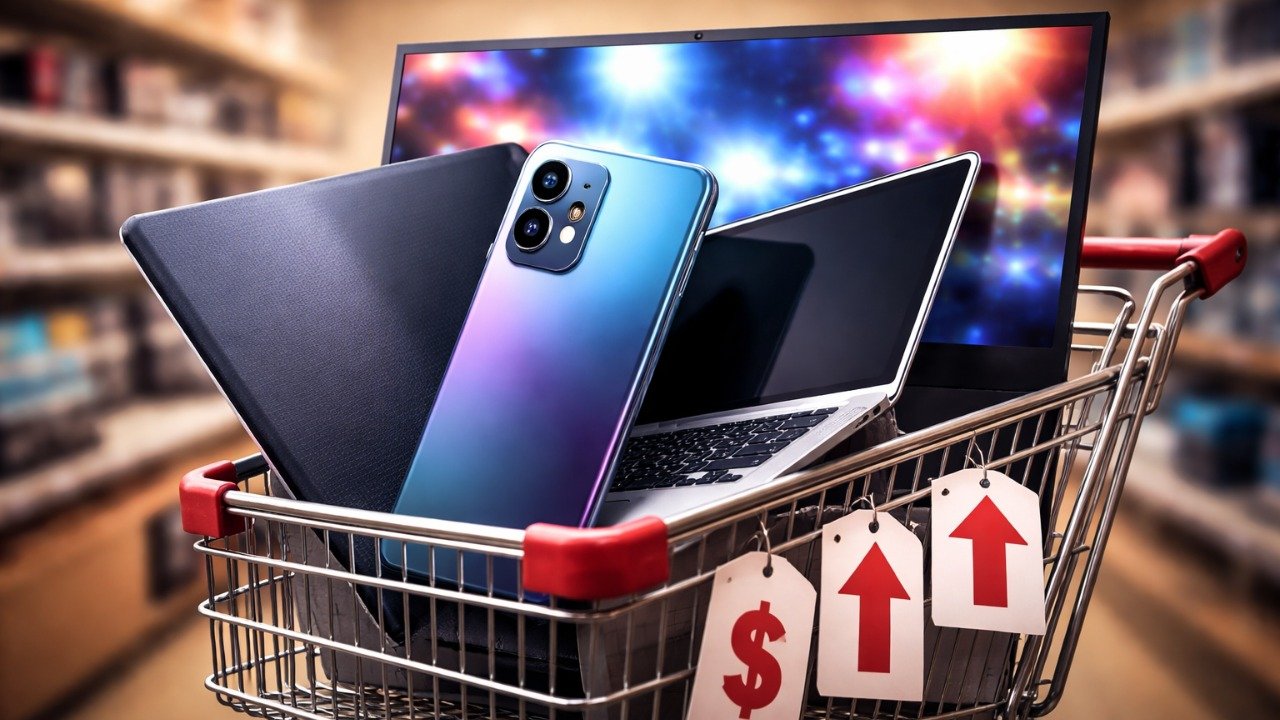
Consumers looking to upgrade their gadgets should prepare for a shock as prices for smartphones, laptops, and TVs are expected to rise significantly. After years of technology becoming more affordable, the trend is reversing, bringing costs back to levels seen six to eight years ago.
Experts point to multiple factors behind this surge. One major reason is the rising cost of key components, particularly RAM and storage chips. These essential parts are in higher demand due to the rapid expansion of Artificial Intelligence, which consumes vast amounts of memory and processing power in data centers and servers. As companies prioritize AI production, the supply available for consumer electronics has shrunk.
Currency fluctuations are also playing a role. A weakening rupee makes imported components more expensive, adding to the overall cost of manufacturing devices. Global supply chain disruptions further compound the problem, limiting availability and forcing manufacturers to pass on these costs to consumers.
This means that buyers across all segments, from budget smartphones to high-end laptops, may need to spend significantly more. Reports suggest smartphone prices could rise by six to ten percent, and in some cases, budget phones have already seen price hikes of three to five thousand rupees. Such increases hit everyday users the hardest, as many may now choose to extend the life of their current devices rather than invest in new ones immediately.


Manufacturers have indicated that sustaining production without adjusting prices is no longer feasible. With the combined pressures of rising component costs, AI-driven demand, and global supply challenges, price hikes appear unavoidable for the foreseeable future. Consumers are advised to plan purchases carefully, as waiting too long may mean paying substantially more for the same technology.