Countries Move to Restrict Social Media Access for Children Amid Rising Online Risks
Governments across continents are tightening rules on children social media use, citing safety concerns like cyberbullying and harmful content, while platforms begin adapting policies to meet stricter age regulations globally


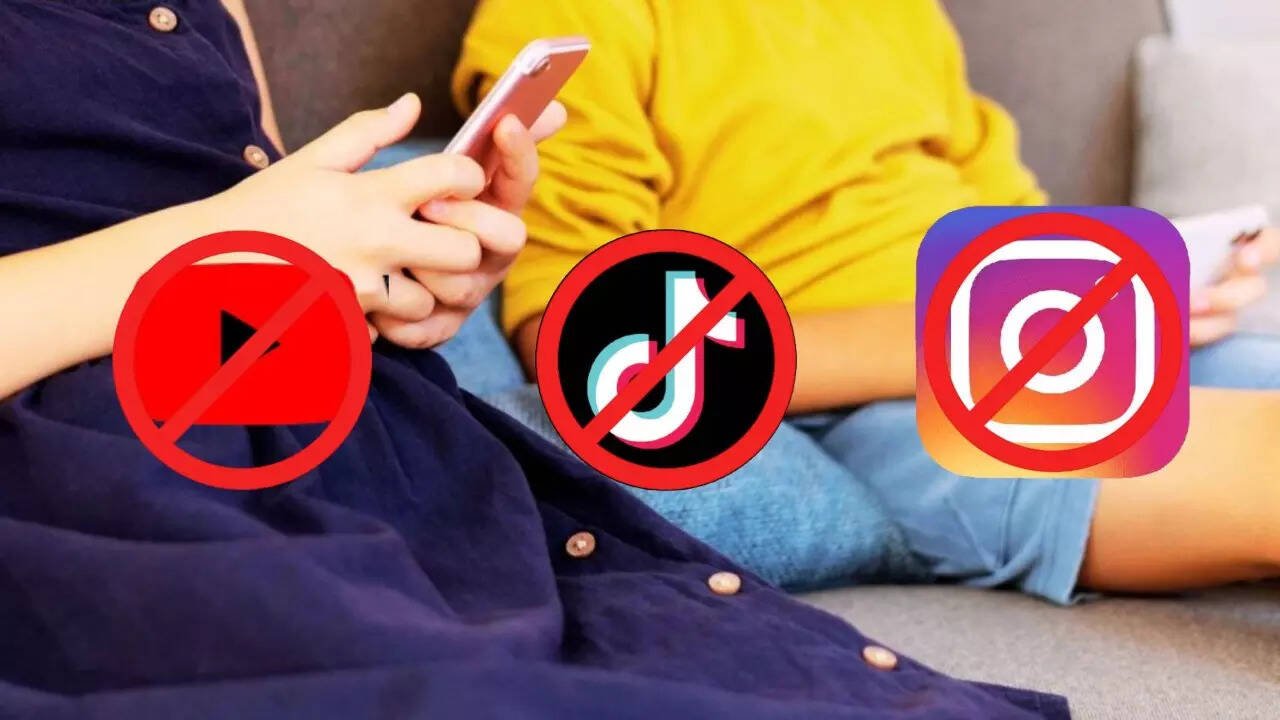
A growing number of countries are stepping in to limit how children use social media, as concerns around online safety continue to mount. Governments are increasingly worried about the impact of digital platforms on young users, especially with rising cases of cyberbullying, harmful content exposure, and privacy risks.
In Southeast Asia, Indonesia has taken a firm stance by introducing restrictions on social media access for users under the age of 16. The policy affects several major platforms, including YouTube, TikTok, Instagram, Facebook, X, and Roblox. Companies have been directed to block accounts belonging to underage users, although certain low risk platforms have been exempted.
Authorities have also introduced additional requirements for these platforms. These include enabling stricter privacy settings by default, strengthening parental controls, and limiting location tracking features for younger users. The aim is not just to restrict access but to create a safer digital environment for children who do go online.
Indonesia Communication and Digital Affairs Minister Meutya Hafid stated that several platforms have already begun aligning with the new rules. TikTok, for instance, is expected to disable accounts belonging to users under 16. Meanwhile, Elon Musk owned platform X has indicated plans to raise its minimum user age. YouTube has also signaled compliance with the updated regulations.


This trend is not limited to Asia. In Australia, similar restrictions were introduced last year, banning social media access for children under 16. Across Europe, countries like Spain and several others are actively considering comparable measures, reflecting a broader global push toward tighter digital governance.
India could soon follow suit. The government has been evaluating proposals to introduce age based restrictions on social media usage. According to recent discussions, policymakers are exploring frameworks that would require platforms to enforce stricter age verification systems. Ashwini Vaishnaw has acknowledged ongoing talks with tech companies, particularly around issues like deepfakes and online safety standards.
With India being one of the largest markets for platforms like Instagram and Facebook, any regulatory shift could have significant global implications. Officials believe that setting clear age limits and enforcing them effectively is becoming essential as more countries recognize the risks associated with unrestricted access.
The push for regulation signals a changing approach worldwide, where governments are no longer leaving child safety entirely in the hands of tech companies but are actively shaping how digital platforms operate for younger audiences.