NASA Spots Unusual Comet That Suddenly Reversed Its Spin in Space
Scientists using Hubble data discovered a small comet that unexpectedly reversed its rotation near the Sun, offering rare insight into how gas jets and heat can alter celestial motion


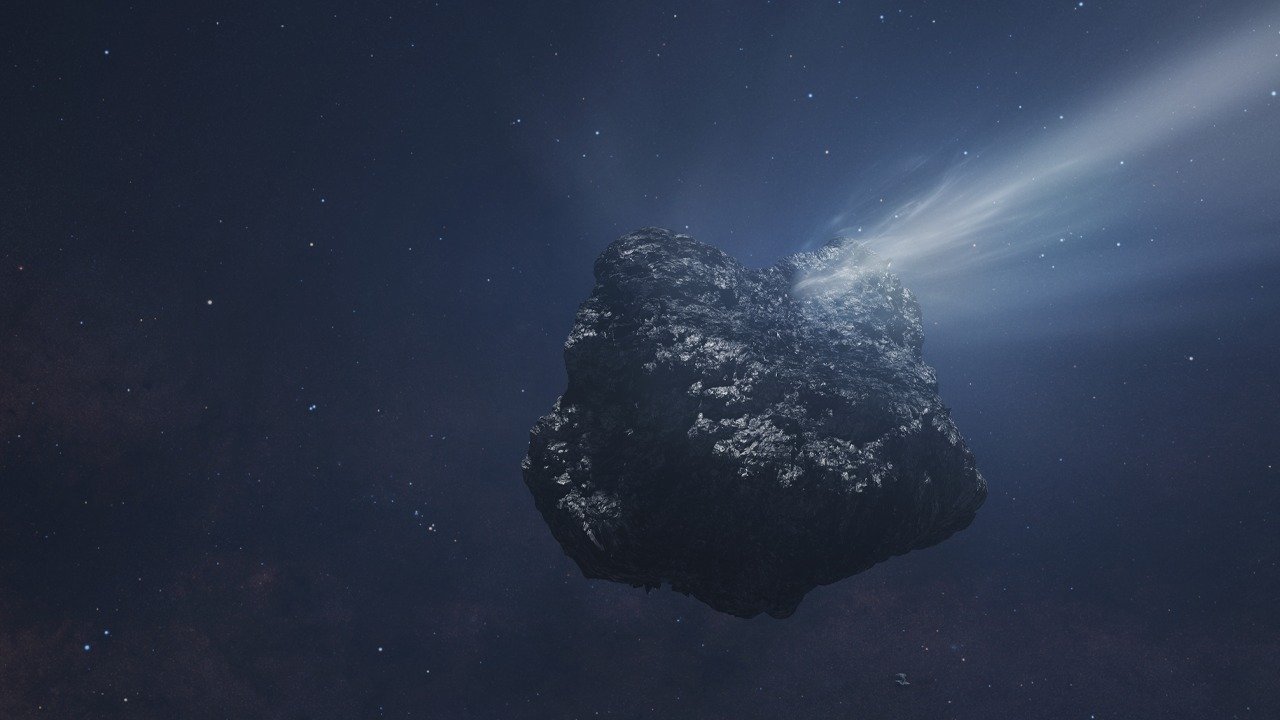
In a surprising development, scientists at NASA have identified a comet behaving in a way rarely seen before, raising new questions about how small celestial bodies evolve in space. The discovery was made using archival observations from the Hubble Space Telescope, which revealed a sudden and dramatic shift in the object’s motion.
The comet, known as 41P Tuttle Giacobini Kresak, belongs to the Jupiter family of comets. These objects typically orbit the Sun in predictable paths influenced by the massive gravity of Jupiter. However, this particular comet stood out after scientists noticed that it unexpectedly reversed its rotation as it traveled closer to the Sun.
Researchers studying brightness variations in data collected during 2017 realized something unusual was happening. The comet’s spin rate slowed dramatically before flipping direction entirely. After the reversal, it began rotating the opposite way, a phenomenon that scientists say has not been clearly observed in this manner before.
One key factor behind this strange behavior is the comet’s size. Its nucleus measures only about one kilometer across, making it relatively small compared to many other comets. This smaller mass makes it more vulnerable to external forces, particularly those generated by its own activity as it heats up near the Sun.


As the comet approaches the inner solar system, solar heat triggers a process known as sublimation. During this process, frozen material on the comet’s surface rapidly turns into gas, erupting outward in powerful jets. These jets act like tiny thrusters, capable of altering the comet’s गति, spin, and even its दिशा.
Scientists believe these الغاز emissions were strong enough to gradually slow the comet’s original spin, halt it, and then push it into rotating the opposite way. This provides a rare real world example of how outgassing can directly influence the physical behavior of small bodies in space.
Further analysis suggests the comet likely originated in the distant Kuiper Belt before migrating inward. It now completes an orbit around the Sun roughly every 5.4 years and is expected to remain in this path for thousands of years.
The findings not only highlight the unpredictable nature of comets but also give scientists valuable clues about the dynamic forces shaping objects across our solar system.