Mobile Banking Vs Internet Banking Key Differences Features and Benefits Explained
Mobile banking and internet banking both offer convenient digital banking services but they differ in accessibility features and usage making it important for users to understand their advantages.

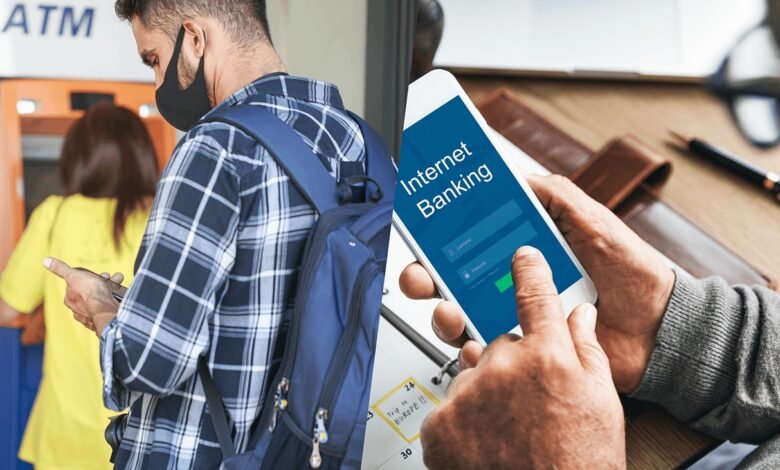
Growth of Digital Banking Services
Digital technology has transformed the way people manage their finances. Today bank customers can access their accounts and perform many financial transactions without visiting a branch. Mobile banking and internet banking have become the two main methods through which users access digital banking services.
Both systems allow customers to transfer funds pay bills and monitor account activity from remote locations. However there are differences in how these services work and the type of banking functions they provide.
Mobile Banking Overview
Mobile banking is designed primarily for smartphones and tablets. As long as users have mobile data or a wireless internet connection they can access their bank accounts anytime and from almost anywhere.
Most banks now offer dedicated mobile applications for customers. These apps allow users to perform quick banking tasks directly from their mobile devices without needing a computer.


Through mobile banking apps customers can transfer money check account balances view transaction history order cheque books and locate nearby ATMs. The app based system makes everyday banking fast and convenient for users.
Mobile Banking Services and Features
Mobile banking applications offer several services that simplify daily financial management. Customers can open savings accounts online apply for certain loan services and even invest in financial products such as mutual funds or stocks.
Users can transfer money using systems such as NEFT RTGS or IMPS. Mobile banking apps also support UPI payments which are widely used for digital transactions across India.
Other common services include mobile recharge ticket bookings and utility bill payments. Many apps also allow users to set payment reminders to avoid missing due dates.
Mobile banking generally focuses on simple and quick tasks. Users can add beneficiaries track transactions and complete payments within a few taps on their phone.
Internet Banking Overview
Internet banking on the other hand is typically accessed through a computer or laptop connected to the internet. Unlike mobile banking it does not require a dedicated mobile application.
Customers simply log in to the bank’s official website using a browser along with their username and password. Once logged in they can access a wide range of financial services and account management tools.
Although it is less portable than mobile banking internet banking often provides more detailed account information and advanced financial features.
Internet Banking Services and Advantages
Internet banking allows users to perform many complex banking operations. Customers can check detailed account statements transfer funds open fixed deposits and manage multiple banking services through the online portal.
In addition to financial transactions internet banking also supports several non financial services. Users can request new cheque books update account information or manage other banking requests online.
Internet banking can also help in emergency situations. Customers can quickly block debit cards or credit cards through the online portal if they suspect unauthorized activity.
Overall mobile banking is ideal for quick everyday transactions while internet banking offers more comprehensive tools for managing finances in detail. Understanding both services helps users choose the most suitable option for their digital banking needs.