Gulf war escalates: Iran targets energy hubs, Israel strikes trigger global oil shock

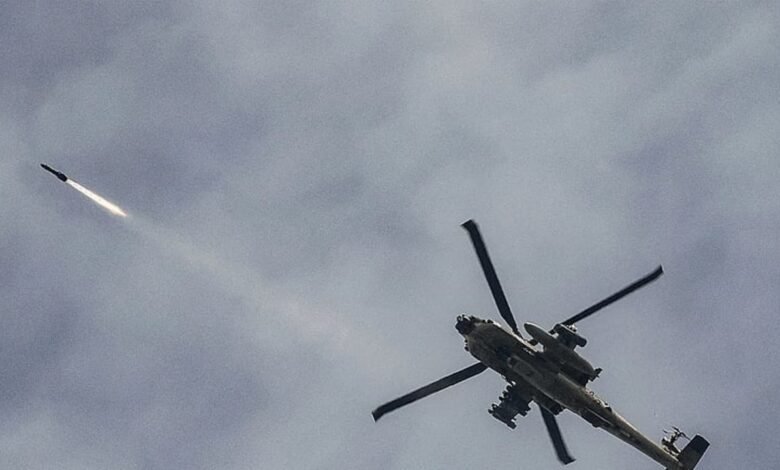
Bengaluru : The West Asian conflict has sharply escalated as Iran intensified strikes on Gulf Arab energy infrastructure in retaliation to attacks by Israel on key gas facilities. The tit-for-tat escalation has pushed the region deeper into crisis, triggering fears of a wider war and sending global energy prices upward.
In a significant development, Iran targeted liquefied natural gas (LNG) facilities in Qatar, reportedly setting parts of the Ras Laffan complex ablaze. The strikes came after Israeli attacks on Iran’s major natural gas installations, including the strategically critical South Pars field. Though the United States denied direct involvement, former US President Donald Trump confirmed Israel’s strike on South Pars and warned of severe retaliation if Iran escalates further.
The conflict has also disrupted maritime activity in the region. A vessel caught fire near the coast of United Arab Emirates, while another ship was damaged close to Qatar, underlining growing risks to global shipping routes. Iran’s control over the Strait of Hormuz has heightened concerns, as the narrow passage remains crucial for a significant portion of the world’s oil transport.

The human toll of the conflict continues to mount. According to officials, at least 1,300 people have been killed in Iran, over 880 in Lebanon, and 12 in Israel since the conflict began. In a tragic development, three Palestinian women were killed in the occupied West Bank following Iranian missile strikes, marking the first Palestinian civilian casualties attributed to Iran in this escalation.
The situation has also seen rising tensions on multiple fronts. Israel has intensified its operations in Lebanon, launching ground offensives against Iran-backed Hezbollah. Meanwhile, Iran has warned of “uncontrollable consequences” after Israeli strikes on its naval assets and energy infrastructure.
A strong diplomatic reaction has emerged from across the Arab world. Countries including Qatar, Saudi Arabia, Egypt, Jordan, Kuwait, Pakistan, Turkey, and others have jointly condemned Iran’s drone and ballistic missile attacks, calling them unacceptable under any circumstances. The grouping stressed the right of nations to defend themselves under international law.
Further adding to tensions, Iran reportedly executed three individuals convicted of aiding US and Israeli operations earlier this year, signaling a hardening internal stance amid the ongoing war.
Key energy infrastructure across the Gulf has come under pressure. The UAE shut down its Habshan gas facility following an Iranian strike, while Saudi Arabia confirmed attacks on two of its refineries. Riyadh stated that whatever limited trust remained with Tehran has now “completely collapsed.”
The United States has issued fresh warnings, stating it would respond decisively if Iran launches further strikes on Qatar. Trump reiterated that while Israel may refrain from further attacks on South Pars for now, any provocation by Iran would lead to the facility being “completely destroyed.”
The conflict, now in its third week, began with coordinated US-Israel strikes on Iran on February 28 and has since expanded into a broader regional confrontation. With Iran imposing restrictions over the Strait of Hormuz, global energy markets have turned volatile, with oil prices witnessing a sharp surge.
The crisis has also raised alarm over nuclear safety after reports emerged of an attack on Iran’s only operational nuclear power plant. However, the UN nuclear watchdog confirmed that no significant damage was recorded.
As military, diplomatic, and economic tensions intensify, fears are growing that the conflict could spiral into a full-scale regional war, with far-reaching consequences for global energy security and geopolitical stability.