Tomato Prices Crash In Bidar As Farmers Struggle To Recover Costs
Tomato prices in Bidar have fallen sharply to five rupees per kilogram, leaving farmers unable to cover harvesting and transport expenses after facing rainfall shortages.

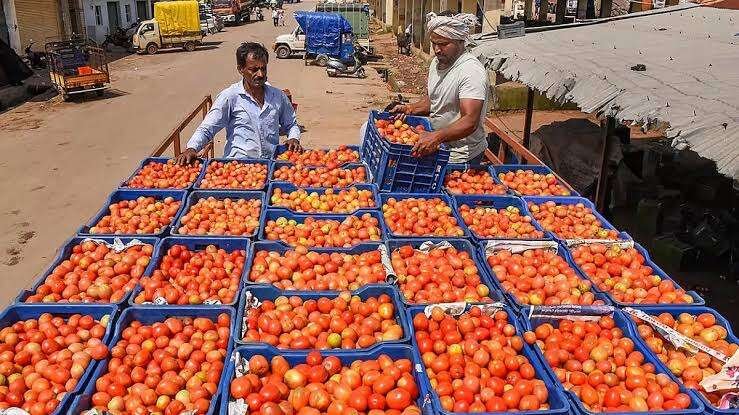
Tomato prices have dropped sharply.
Bidar farmers are struggling with losses.
Harvesting costs exceed tomato earnings.
The sharp fall in tomato prices has put growers in Bidar district of Karnataka under severe financial pressure. Farmers who invested heavily in seeds, fertilisers, pesticides, irrigation and labour are now finding it difficult to recover even their basic expenses.

The situation has become particularly difficult because rainfall was inadequate during the growing season. Many farmers depended on borewells and other limited water sources to keep their crops alive, but the shortage of water also affected yields.
At Rajanal village in Bidar taluk, farmer Gorakh cultivated tomatoes on two acres hoping for a reasonable return. With rainfall failing, water sources dried up and he had to rely on whatever water was available to protect the crop. Despite those efforts, production remained below expectations.
The bigger setback came after the harvested tomatoes reached the market. Farmers say they are receiving only about five rupees for a kilogram. At that rate, the money earned from the crop may not even cover the cost of labour and transportation.
For many growers, the decision has now become difficult. Spending additional money to harvest and transport the crop could increase their losses, while leaving the tomatoes in the fields could mean watching the produce spoil. The unusually low market price has therefore created a difficult situation at the farm level.
Farmers say they have already spent thousands of rupees on cultivation. With limited rainfall adding to production problems and prices falling further, their financial burden is growing. Some growers fear that continued losses could push them deeper into debt.
The affected farmers are now seeking government intervention. They want authorities to consider support measures, including a suitable price mechanism and compensation for crop losses, to help them manage the current crisis.