Karnataka Government Opposes Bike Taxi Licences Across State
Karnataka has told the Supreme Court that bike taxis cannot be licensed under the existing framework, citing passenger safety, insurance concerns, traffic, pollution and regulatory gaps.

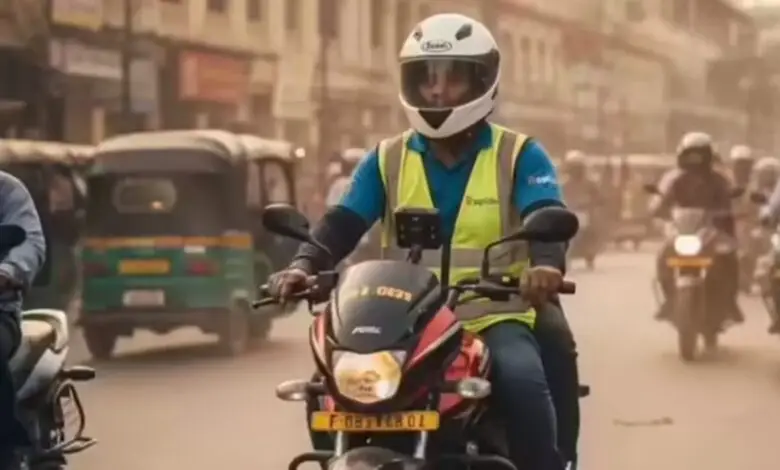
Karnataka Government has opposed bike taxi licences.
Passenger safety remains a major concern.
Insurance and regulatory gaps are key issues.
Karnataka Government Position


The Karnataka government has formally told the Supreme Court that it cannot grant licences for bike taxi services in Bengaluru and other parts of the state under the present legal framework. The issue has gained attention as commuters continue to look for affordable alternatives amid traffic congestion and rising transportation costs.
The state has challenged an earlier Karnataka High Court direction concerning applications for contract carriage permits for motorcycles. In its Special Leave Petition, the government argued that carrying passengers commercially on motorcycles is a regulated activity and that motorcycle owners do not have an automatic legal right to operate their private vehicles as taxis.
The government has also questioned whether the existing regulatory system provides a proper framework for motorcycles to function as passenger transport vehicles. According to the state, the absence of clear provisions makes it difficult for authorities to approve such services.
Safety Concerns Behind the Decision
Passenger safety is one of the main reasons cited by Karnataka. Motorcycles provide considerably less physical protection than conventional passenger vehicles such as taxis and autorickshaws. The government has pointed to the higher vulnerability of two wheeler riders and passengers during road accidents.
The state has also raised concerns about the safety of passengers, particularly women, travelling on motorcycles. Accident data relating to two wheeler users has been cited as part of the government’s argument before the Supreme Court.
Insurance is another major concern. The government says the current system does not clearly provide for converting privately registered motorcycles with white number plates into commercial yellow board passenger vehicles for bike taxi operations. Karnataka also does not have a system for dual registration of such motorcycles, according to the arguments presented by the state.
This creates uncertainty over insurance coverage and compensation if a passenger is seriously injured or dies in an accident. The government believes that these gaps need to be addressed before commercial passenger services using motorcycles can be formally permitted.
Legal Framework Also Under Question
Karnataka has argued that the existing Central Motor Vehicle Rules classify vehicles according to their purpose and use, while motorcycles are not included in the same category as conventional passenger transport vehicles. The state says simply having a seat for a pillion rider does not automatically make a motorcycle a legally recognised passenger transport vehicle.
The government further contends that the High Court order directing authorities to consider contract carriage permit applications has reduced the regulatory powers available to the state and transport authorities. Karnataka has therefore asked the Supreme Court to examine the legal position before such permits are considered.
Traffic and Pollution Concerns
The state has also brought environmental and traffic concerns into the discussion. Karnataka believes that allowing bike taxi services to expand on a large scale could affect traffic conditions in major cities and potentially increase pollution.
The government has referred to an estimate suggesting that restricting such services could prevent around 1.4 million tonnes of carbon dioxide emissions annually. The environmental argument forms another part of the state’s case against allowing widespread commercial passenger services on motorcycles.
Bike Owners Can Still Use Vehicles Commercially
The government has clarified that its position does not amount to a complete ban on motorcycles being used for commercial purposes. Motorcycle owners can continue to use their vehicles for activities such as delivery services, logistics work and courier operations where permitted by law.
The restriction specifically concerns carrying passengers for commercial purposes through bike taxi services. This distinction means motorcycle owners are not being prevented from earning through every form of commercial activity involving their vehicles.
The final outcome will depend on how the Supreme Court examines the legal framework, passenger safety requirements, insurance arrangements and the regulatory authority of the state. For now, Karnataka’s position is that bike taxi licences cannot be issued under the existing system until these concerns are properly addressed.