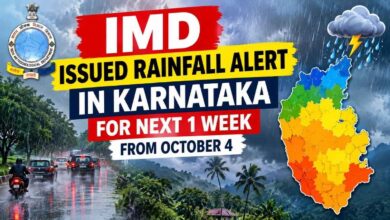
IMD Issued Heavy Rainfall Alert Across Karnataka till August 16
The IMD has predicted heavy rainfall across coastal Karnataka, the Malnad region, South Interior Karnataka, and parts of North Interior Karnataka over the next week.

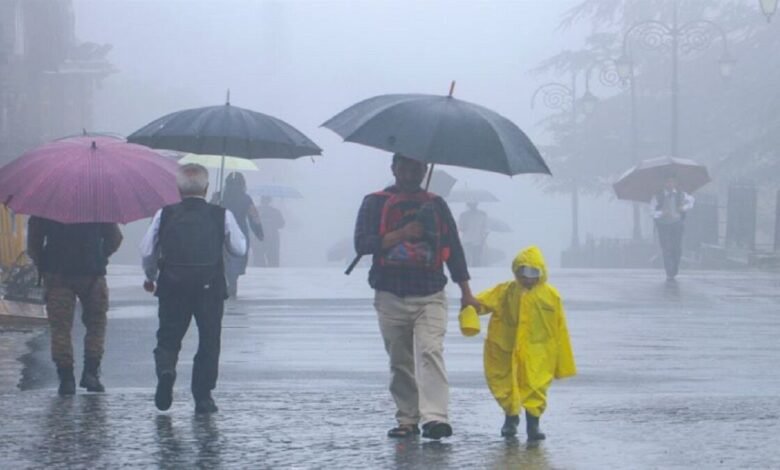
Heavy rainfall continues to lash Karnataka, with the India Meteorological Department (IMD) issuing Red Alerts for several districts. According to the latest forecast, widespread rain is expected to continue across many parts of the state until August 16, prompting authorities to urge residents to remain cautious.
The IMD has predicted heavy rainfall across coastal Karnataka, the Malnad region, South Interior Karnataka, and parts of North Interior Karnataka over the next week. People living in vulnerable areas have been advised to stay alert and follow official safety guidelines.
The southwest monsoon has intensified across the state, bringing persistent rainfall over the past several days. Many reservoirs and lakes have already reached near-full capacity, while some districts have recorded very heavy rainfall.
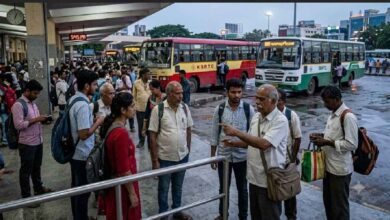
Students, farmers, and the general public have been advised to avoid unnecessary travel and strictly follow instructions issued by local authorities. Bengaluru has been witnessing continuous rainfall for the past week, and light to moderate showers are expected to continue over the coming days.
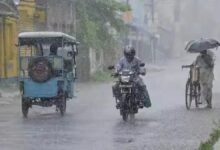
Heavy rainfall is also likely in several South Interior Karnataka districts, including Bengaluru Rural, Chikkaballapur, Kolar, Mandya, Mysuru, Kodagu, Hassan, Shivamogga, and Chikkamagaluru.
Widespread rainfall is forecast across the coastal districts, with winds gusting at 30–40 kmph. Dakshina Kannada, Udupi, and Uttara Kannada are expected to receive significant rainfall during the forecast period.
In North Interior Karnataka, heavy rain is likely in Gadag, Haveri, Dharwad, Belagavi, Koppal, Bagalkote, Raichur, and Yadgir districts. The IMD has also forecast winds of 30–40 kmph in Bengaluru and has advised residents to remain cautious as changing weather conditions may lead to localized disruptions.