Sabarimala Begins Special Rituals To Address Reported Vakdosha At 25 Temples
The Travancore Devaswom Board has started special religious rituals across Kerala and Karnataka as part of measures linked to the reported Sabarimala vakdosha

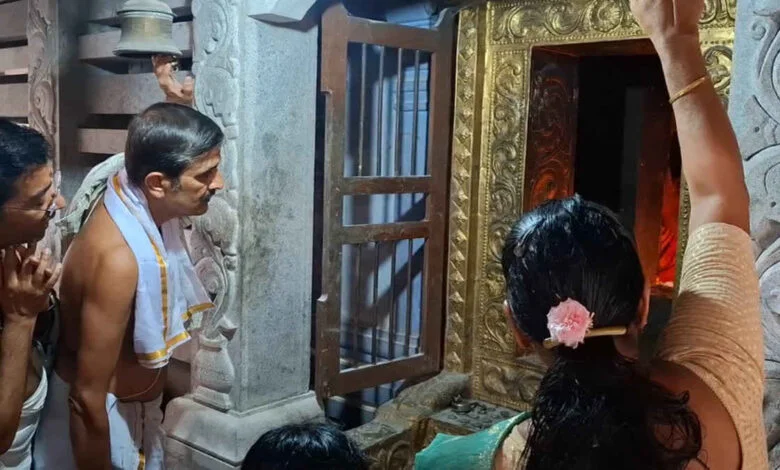
The Travancore Devaswom Board has begun a series of special religious rituals at 25 prominent temples in Kerala and Karnataka as part of measures intended to address the vakdosha reported at the Sabarimala Sree Dharma Sastha Temple.
The rituals include special prayers, offerings and prescribed religious ceremonies at important temples in both states. The initiative is being carried out ahead of the upcoming Mandala Makaravilakku pilgrimage season, when Sabarimala is expected to witness a major increase in the number of devotees.
According to Travancore Devaswom Board president K Jayakumar, the special ceremonies are being conducted as part of the traditional religious measures recommended for addressing the reported issue. Several well known temples have been included in the programme, with each shrine following its own prescribed rituals and offerings.
The issue of vakdosha is connected to an Ashtamangala Devaprasnam conducted at Sabarimala in 2018. During the religious assessment, it was reportedly indicated that the temple had been affected by inappropriate behaviour toward devotees by some temple employees and security personnel.
The term vakdosha in this context refers to a religiously identified issue associated with inappropriate or harsh speech and conduct. The Devaprasnam had recommended specific religious measures at various temples as part of the traditional process for addressing the matter.
The current programme is therefore being undertaken several years after the original assessment. The Devaswom Board has now begun implementing the recommended ceremonies at selected temples in Kerala and Karnataka.
One of the prominent locations included in the programme is the Kollur Sree Mookambika Temple in Karnataka. Special religious activities are being planned there as part of the measures connected with Sabarimala.
Symbolic offerings including a silver tongue, a silver bell and a silver writing instrument have been presented at the temple. A special bell that was worshipped at the Sabarimala shrine during the Niraputhari festival on August 3 has also been brought to Kollur.
A major prayer ceremony is expected to be conducted at Kollur following the Navaratri celebrations. The event is expected to form an important part of the religious programme being carried out under the Devaswom Board initiative.
Several temples in Kerala are also participating in the rituals. At the Belakumaramanagala Subramanya Swamy Temple in Kasaragod, a Karthika prayer and a special offering of 1001 rupees have already been completed.
A Rangapooja is also planned at the Kasaragod temple on the same day as the major ceremony at Kollur. These activities are part of a wider programme involving several temples associated with the traditional religious observances.
Other prominent temples included in the programme are the Edakkad Mahavishnu Temple in Kannur, the Vadakkumnathan Temple in Thrissur, the Koodalmanikyam Temple in Irinjalakuda and the Guruvayur Sree Krishna Temple.
Various forms of traditional offerings are being conducted at these temples. The ceremonies include special lamps, ritual offerings, milk based offerings and other forms of worship according to the customs followed at individual shrines.
The programme has attracted attention because of its connection with Sabarimala, one of the most important pilgrimage centres in Kerala. The shrine attracts devotees from different parts of India during its major pilgrimage season, making preparations for the annual pilgrimage particularly significant for the authorities.
The Travancore Devaswom Board has indicated that the special rituals will be completed as part of its preparations for the upcoming pilgrimage period. Board president K Jayakumar has expressed confidence that completion of the religious measures will mark the beginning of what he described as a new golden period in the history of the Devaswom Board and Sabarimala.
Meanwhile, preparations are also underway for the next monthly worship period at Sabarimala. The temple is scheduled to open on August 16 in the evening for the monthly pooja associated with the Malayalam month of Chingam.
Devotees will be allowed to have darshan until August 21. The shrine will subsequently reopen from August 24 to August 28 for special Onam related religious ceremonies.
The opening dates are expected to bring another flow of pilgrims to the hill shrine. Devotees planning to visit Sabarimala during these periods can make arrangements through the official virtual queue system.
The virtual queue facility has become an important part of pilgrimage planning as authorities work to manage the large number of devotees visiting the shrine. Advance registration allows pilgrims to organise their visits according to the available arrangements.
The special rituals at the 25 temples and the preparations for the coming pilgrimage season are taking place alongside the regular religious activities at Sabarimala. For the Devaswom Board, the programme represents an effort to complete the traditional corrective measures associated with the 2018 religious assessment before the major pilgrimage period begins.
With prominent temples in both Kerala and Karnataka participating, the initiative has created a broader religious programme rather than limiting the activities to Sabarimala alone. The coming weeks will see several of these ceremonies being completed as the authorities prepare for the next phase of worship and pilgrimage at the hill shrine.
For devotees, the focus will now remain on the upcoming opening dates, virtual queue arrangements and the traditional ceremonies planned at Sabarimala. The Devaswom Board is expected to continue coordinating the religious activities while preparations for the Mandala Makaravilakku season move forward.