BMTC Sees Digital Payment Boom as UPI Accounts for More Than Half of Ticket Revenue
BMTC has recorded remarkable growth in digital ticket payments with UPI contributing over half of total revenue while improved convenience continues despite network related operational challenges across routes.

The Bengaluru Metropolitan Transport Corporation has reached a significant milestone in its digital transformation journey, with UPI emerging as the preferred payment method for bus commuters across the city. Digital ticket purchases have grown rapidly over the past year, and official figures show that more than half of BMTC’s ticket revenue is now generated through UPI based transactions. The development highlights the growing confidence of passengers in cashless payments while also reflecting the wider adoption of digital financial services in everyday public transport.
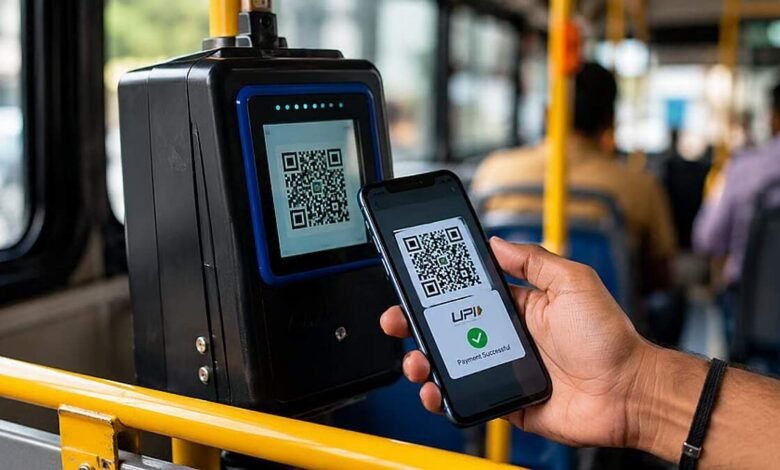
The transition has been driven by BMTC’s efforts to modernize ticketing systems and reduce dependence on cash transactions. By introducing a dynamic QR code system in its electronic ticketing machines, the transport corporation has made it easier for passengers to pay instantly using any compatible UPI application. The system has simplified the ticket purchasing process for thousands of daily commuters who no longer need to carry exact cash or wait for change from conductors.
According to the latest figures released by the corporation, BMTC earned approximately Rs 313.4 crore through UPI payments between January 1 and July 30 this year. During the same period, the transport utility recorded a total ticket revenue of around Rs 609.5 crore. This means digital payments accounted for nearly 51.4 percent of the total earnings, making UPI the single largest mode of ticket payment across the network.
The growth has been particularly impressive when compared with earlier data. In January 2025, UPI contributed only about 22.2 percent of BMTC’s ticket revenue. By the end of the year, the share had increased to around 50.9 percent. The continued rise demonstrates how quickly passengers have embraced digital payment methods as smartphones and UPI applications become more common among commuters from different age groups.


Officials believe the success is largely due to the introduction of the dynamic QR code feature. Under the earlier system, buses displayed static QR codes that allowed passengers to make payments even before the conductor issued a ticket. However, that method created opportunities for misuse. Some passengers reportedly displayed edited or fake payment screenshots to avoid paying the actual fare, resulting in financial losses and verification challenges for conductors.
To address those concerns, BMTC introduced a more secure payment mechanism. Under the new process, the conductor first enters the passenger’s destination into the electronic ticket machine. Only after the fare is calculated does the machine generate a unique QR code for that specific journey. Passengers scan the code, complete the payment, and immediately receive their ticket. Since each QR code is created for a single transaction, the chances of fraud have been significantly reduced.
The digital system has also improved transparency in revenue collection. Every completed payment is recorded electronically, making accounting more accurate while reducing the need for manual cash handling. Conductors benefit from quicker fare collection, and passengers receive a faster and more reliable ticketing experience during busy travel hours.
Despite the impressive growth in digital payments, BMTC continues to face operational challenges linked to internet connectivity. The dynamic QR code system depends on stable mobile network coverage. In areas where the signal is weak or unavailable, the ticket machine may take longer to generate the QR code, resulting in delays for both passengers and conductors. Such issues are reported more frequently on routes serving the outskirts of Bengaluru, where network infrastructure is less consistent.
Conductors often find themselves waiting for the QR code to appear before passengers can complete their transactions. During peak travel periods, these delays can increase boarding time and affect the overall efficiency of bus services. Although most commuters appreciate the convenience of digital payments, they also expect faster processing even in locations with weaker connectivity.
Passengers have generally welcomed the shift toward cashless ticketing because it offers greater convenience and reduces the need to carry currency notes or coins. Many regular commuters now rely entirely on mobile payment applications for daily travel expenses. The system also allows passengers to maintain a digital record of their transport spending, making expense tracking easier.
Transport experts believe BMTC’s experience reflects a broader trend across India’s public transportation sector. As digital payment infrastructure continues to improve and smartphone penetration expands, more public transport agencies are expected to adopt similar technologies. Secure QR based ticketing systems can reduce fraud, improve operational efficiency, and enhance the overall commuter experience when supported by reliable connectivity.
BMTC is likely to continue refining its digital payment ecosystem by addressing network related challenges and improving the performance of its electronic ticketing machines. Strengthening mobile connectivity, particularly in suburban and peripheral areas, will be essential to ensuring a seamless experience for passengers across the city.
The corporation’s achievement demonstrates how technology can reshape everyday public services. Crossing the 50 percent mark in digital ticket revenue is a major milestone for BMTC and reflects changing commuter habits in Bengaluru. While connectivity issues remain a concern, the steady rise in UPI transactions indicates that digital payments have become an integral part of the city’s public transport system, paving the way for an even more efficient and cashless future.