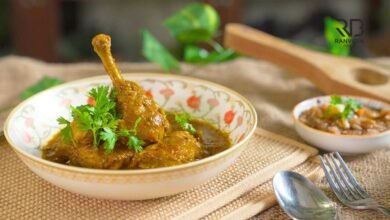
Traditional Goat Boti Curry Recipe That Turns Tender Juicy and Odor Free When Cooked Right
A traditional Telugu style goat boti curry rich in iron, protein and vitamin B12 can be made soft, flavorful and free from strong smell with the right cleaning, roasting and spice balance for perfect taste.

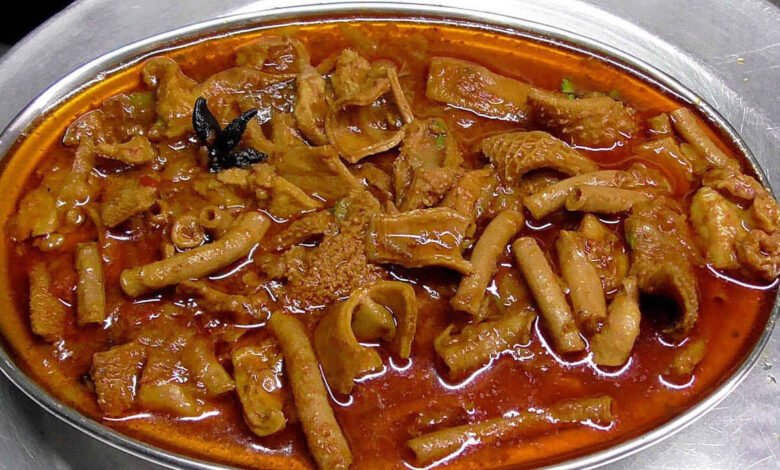
Goat boti curry has long been a beloved dish in many Telugu households, known for its rich taste and nutritional value. Made from goat intestines, this traditional preparation is packed with iron, vitamin B12, protein and zinc. These nutrients are known to support better blood health, immunity and digestion, making it more than just a flavorful curry.
However, many people hesitate to cook boti at home due to its strong natural smell. When prepared properly with the right cleaning and spice technique, this dish transforms into a soft, juicy and aromatic curry that pairs beautifully with rice or rotis.
One of the key steps in achieving a clean and tasty boti curry is proper pre preparation. The boti should be thoroughly cleaned and pressure cooked with salt and turmeric until soft. This not only removes impurities but also significantly reduces any unwanted odor while improving texture.
To build flavor, a freshly prepared spice mix plays an important role. Dry coconut pieces, coriander seeds, cloves, cardamom, cinnamon and dry red chilli are lightly roasted and ground into a fine powder. Along with this, a separate paste is made using onion, tomato, green chillies and soaked cashews to create a rich base for the curry.


Cooking begins by heating oil in a pan and adding spices like cumin seeds and shahi jeera along with onions and green chillies. As the onions turn golden, ginger garlic paste is added and cooked until the raw aroma disappears, forming a strong flavor base for the curry.
The boiled boti is then added to the pan and sautéed well so that it absorbs all the masala. Cooking it on medium flame until the water reduces helps the meat take in the spices fully, giving it a deep and rich taste without any strong smell.
Next, the prepared onion tomato cashew paste is added and cooked until the mixture blends well with the meat. At this stage, salt, chilli powder and the freshly ground spice mix are added. The curry is stirred well and allowed to cook so that all flavors come together.
Water is then added according to the desired consistency, and the curry is simmered on low flame for around ten minutes. This slow cooking process helps the gravy thicken and allows the spices to fully infuse into the boti, making it soft and juicy.
Finally, a handful of fresh coriander leaves is added for freshness before turning off the flame. The result is a flavorful, aromatic and perfectly cooked boti curry that can be enjoyed with hot rice or soft rotis. When made this way, even those who usually avoid it for its smell often find it surprisingly delicious and comforting.