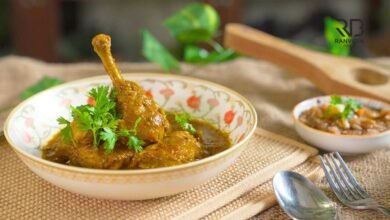
Village Style Dry Fish Curry Recipe With Rich Coconut Flavor And Traditional Coastal Taste
Traditional dry fish curry made in village style using coconut masala vegetables and tamarind delivering soft fish texture rich aroma and authentic coastal homemade flavor experience


Dry fish curry is one of those traditional dishes that carries the true essence of coastal and village cooking. In many households, it is loved for its strong aroma and deep taste that pairs perfectly with hot rice. Yet, many people struggle while preparing it at home as the fish often turns too hard or develops a bitter taste. The secret lies in following a simple traditional method used in coastal villages.
The charm of this curry comes from its slow layered cooking style where every ingredient builds the final taste. Coconut plays a key role in giving thickness and natural sweetness while tamarind adds a balanced tang. When cooked properly, the curry becomes rich, flavorful and deeply satisfying, just like the ones prepared in rural kitchens near the sea.
To begin with, dry fish pieces need proper cleaning and soaking. Keeping them in water for around twenty minutes helps remove excess salt, dirt and strong odor. After washing them thoroughly, they are kept aside. This small step ensures that the final curry does not taste overly salty or harsh.
Meanwhile, a fresh coconut masala is prepared by grinding grated coconut, cumin seeds and green chillies into a smooth paste. This paste forms the heart of the curry and gives it a thick texture along with a traditional homemade aroma that defines village style cooking.


In a thick bottomed pan, oil is heated and curry leaves are added first to release their flavor. Then onions are sautéed until soft, followed by tomatoes, drumstick, brinjal and raw mango pieces. These vegetables add depth and a mild sourness that enhances the overall taste of the curry.
Once the vegetables are slightly cooked, the coconut paste is added along with turmeric, chilli powder, coriander powder and cumin powder. Tamarind extract is poured in next, and everything is mixed well. The curry is then allowed to simmer so that all flavors blend together slowly and naturally.
At the final stage, the soaked dry fish pieces are added carefully. They are cooked only for a few minutes on medium flame to keep them soft. Overcooking can make them hard, so timing is very important here. Once the oil begins to rise on top, the curry is switched off and fresh curry leaves are added for aroma.
A good dry fish curry always depends on a few simple tricks. Soaking the fish properly, grinding the coconut to a fine paste, and adding the fish only at the end are key steps. Including raw mango also brings a special tangy taste that makes the dish even more flavorful.
This village style dry fish curry tastes best when served hot with steamed rice. Many people even say the flavor becomes richer the next day as the spices settle well. It is a comforting traditional dish that brings the taste of coastal kitchens straight into home cooking.