
Dental Health in Old Age Experts Explain Why Teeth Fall Out and How to Prevent It
Many people believe aging alone causes tooth loss but dentists say healthy gums proper oral care and timely treatment can help preserve natural teeth throughout life for many years.

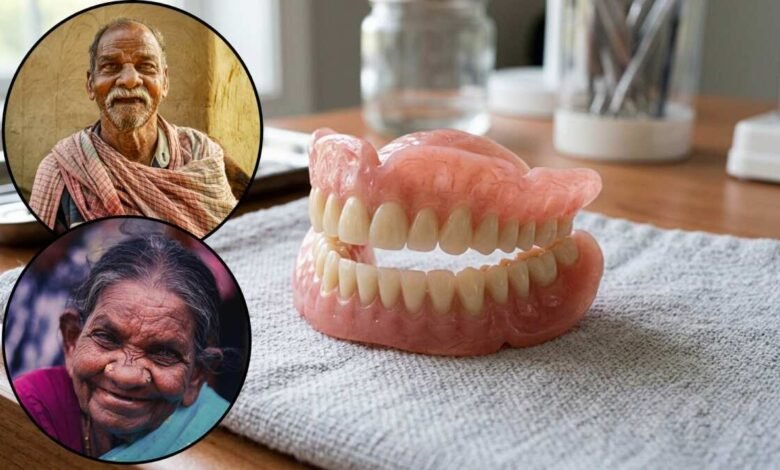
Many people assume that losing teeth is an unavoidable part of growing older. Dental experts, however, say that age itself is rarely the direct cause. In most cases, tooth loss happens because of long term gum disease, untreated tooth decay, or years of neglecting proper oral hygiene. With consistent care, many people can keep their natural teeth healthy well into old age.
According to dentists, gum disease remains the leading reason for tooth loss among older adults. When infections affect the gums, they gradually damage the tissues and bone that support the teeth. If left untreated, the teeth begin to loosen and may eventually fall out. Early warning signs include swollen gums, bleeding while brushing, persistent bad breath, and gum tenderness. Seeking treatment at this stage can help prevent permanent damage.
Tooth decay is another major factor that weakens dental health over time. Cavities that are ignored can spread deeper into the tooth, making restoration difficult. Regular dental examinations allow problems to be identified before they become severe, reducing the chances of tooth extraction later in life.
Dentists also point out that overall health has a significant impact on oral health. Conditions such as diabetes and osteoporosis can affect the strength of teeth and gums. Smoking and tobacco use further increase the risk of gum disease, delayed healing, and tooth loss. Maintaining good general health plays an important role in protecting the mouth as well.


Daily oral hygiene remains the most effective way to preserve healthy teeth. Brushing twice a day with fluoride toothpaste helps remove harmful plaque and bacteria. Since a toothbrush cannot clean every space between the teeth, flossing is recommended to remove trapped food particles and plaque from hard to reach areas.
A balanced diet also supports stronger teeth and gums. Foods rich in calcium, phosphorus, and vitamin D help maintain healthy bones and teeth. Limiting sugary foods and drinks reduces the risk of cavities and enamel damage. Drinking enough water throughout the day also contributes to better oral health by washing away food debris and maintaining saliva production.
Experts recommend visiting a dentist every six months for routine checkups and professional cleaning. Early diagnosis of dental issues often makes treatment simpler and more effective. If you notice loose teeth, frequent gum bleeding, pain while chewing, or persistent mouth discomfort, it is important to seek dental care without delay.
Dental professionals stress that growing older does not automatically mean losing your teeth. Healthy habits practiced throughout life, combined with regular dental care and timely treatment, can help people enjoy strong natural teeth for decades and maintain better overall health.