HyperOS 4 Update Set to Bring Major Changes for Xiaomi Redmi and POCO Users
Xiaomi is preparing a major HyperOS 4 rollout based on Android 17 bringing performance improvements fresh design changes stronger privacy tools and smarter AI features to many devices worldwide

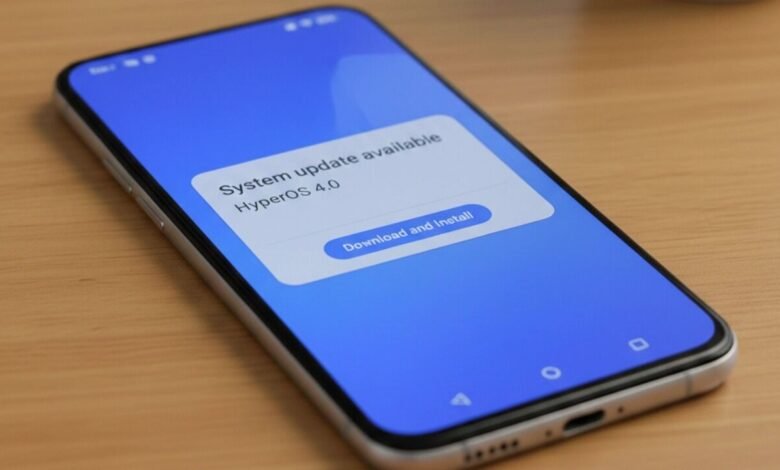
Millions of Xiaomi smartphone users could soon see one of the biggest software upgrades in recent years. The company is preparing to launch HyperOS 4, its next generation operating system built on Android 17, and expectations are high due to reports of significant improvements beyond the usual annual updates.
Unlike routine software releases that mainly focus on bug fixes and minor enhancements, HyperOS 4 is expected to introduce deeper architectural changes. Industry reports suggest Xiaomi is redesigning parts of its software foundation to improve speed, reduce system resource usage, and deliver a smoother experience across different devices.
One of the most talked about aspects of the upcoming update is its focus on efficiency. Reports indicate that Xiaomi is working to remove outdated legacy code and optimize core system components. This approach could help devices boot faster, consume less memory, and offer smoother animations during everyday use. Users may notice quicker app launches and better multitasking performance as a result.
The company is also expected to strengthen its privacy and security offerings. Leaks suggest that HyperOS 4 may introduce new privacy focused tools designed to give users greater control over their personal information. A software based privacy screen feature is also rumored, potentially helping reduce visibility from side viewing angles in public places.


Artificial intelligence is likely to play a major role in the new software experience. HyperOS 4 is expected to include enhanced AI powered productivity tools that can simplify routine tasks and improve user convenience. Better background task management and smarter resource allocation are also anticipated, helping devices maintain performance even during heavy usage.
Visual improvements are another major highlight. Xiaomi is reportedly refining its modern design language with smoother interface transitions, glossy visual effects, transparent elements, and more responsive animations. These changes aim to create a cleaner and more premium user experience while maintaining familiarity for existing users.
The expected rollout timeline has also generated considerable excitement. While Xiaomi has not publicly announced a precise launch date, reports indicate that the update could debut in China during July or August before expanding to global markets later. As with previous releases, a beta testing phase is likely to arrive first, allowing selected users to experience new features before the wider rollout begins.
Several flagship and premium devices are expected to be among the first to receive the update. Recent Xiaomi 17 series models, Xiaomi 15 series smartphones, selected Redmi Note devices, and multiple POCO models are widely believed to be included in the upgrade roadmap. However, the final eligibility list has not yet been officially confirmed by the company.
For users of Xiaomi, Redmi, and POCO smartphones, HyperOS 4 could represent more than a simple software refresh. With a stronger focus on performance, privacy, design, and artificial intelligence, the update has the potential to extend device longevity and make older phones feel noticeably faster and more capable.
As anticipation builds, smartphone owners are advised to keep an eye on official announcements regarding device eligibility and rollout schedules. If expectations are met, HyperOS 4 could become one of Xiaomi’s most significant software releases in recent years, delivering a fresh experience across a wide range of devices.