Homemade Avakaya Pickle Secret Tips to Keep Mango Pieces Firm and Fresh All Year Long
Traditional Andhra mango pickle stays fresh and firm for months when prepared with correct mango selection, precise ingredient ratios, proper oil coating, and careful storage techniques that prevent softening and spoilage

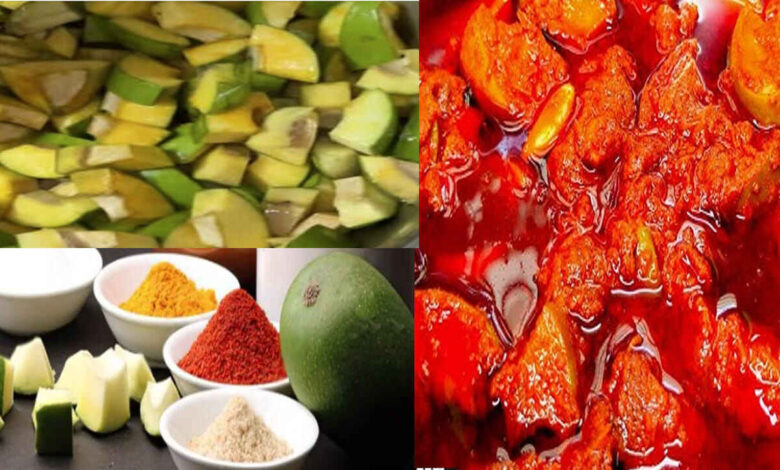
Avakaya pickle is one of the most loved traditional delicacies in Andhra households, especially during the summer season. Known for its strong flavor and long shelf life, this pickle becomes a yearly preparation ritual in many homes. However, one common challenge most people face is mango pieces turning soft over time. With the right method, this problem can be completely avoided and the pickle can stay fresh for many months.
A key factor in making perfect avakaya is choosing the right mangoes. Slightly sour mangoes with thick skin, less pulp, and firm texture are ideal. Medium or small sized mangoes work best for uniform pieces. It is important to clean and dry them properly before cutting. Once brought home, the mangoes should not be washed again after cutting. Any moisture left on the pieces can affect the texture and reduce shelf life. Even the inner seed layer and sticky sap must be carefully removed, ensuring complete dryness before proceeding.
The balance of ingredients plays a major role in maintaining taste and texture. For about two kilograms of cleaned mango pieces, roughly one liter of oil is used, preferably groundnut or sesame oil. A portion of oil is first mixed thoroughly with the mango pieces to create a protective coating. This step helps prevent the pieces from becoming soft later. Spices like red chili powder, mustard powder, salt, turmeric, fenugreek, and garlic are then added in measured quantities. Each ingredient must be adjusted carefully based on type and strength to maintain the authentic taste.
Mixing is another important stage that decides the final quality of the pickle. The spice mixture should be added gradually to the oil coated mango pieces and mixed thoroughly until every piece is evenly covered. After this, the remaining oil is poured in and mixed again to ensure full coverage. Proper mixing ensures that the flavors settle well and the pickle matures evenly over time.


Once prepared, the mixture should be transferred into a clean glass jar or airtight container. The container should be kept undisturbed for about three days. During this time, the mango pieces absorb the spices and oil begins to settle on top. After three days, the pickle should be gently mixed again to redistribute the ingredients evenly. If any imbalance in salt is noticed, it should be corrected immediately to avoid spoilage.
Storage conditions also play a crucial role in preserving avakaya pickle. The jar should always remain dry and tightly closed. Avoiding moisture is essential to prevent fermentation issues or softening of mango pieces. A clean cloth can be used to cover traditional jars for extra protection. Proper care during storage ensures that the pickle remains fresh, flavorful, and safe for consumption throughout the year.
When prepared with accurate measurements and proper technique, avakaya pickle not only retains its texture but also enhances in taste over time. With these simple but important steps, anyone can enjoy authentic homemade mango pickle that stays firm, spicy, and delicious for months without losing its traditional charm.