Why Tulsi Plants Dry Up at Home and Common Mistakes You Should Avoid
Tulsi is considered a sacred and medicinal plant in many households, but improper care, overwatering, pests, and lack of sunlight are the main reasons it dries up unexpectedly.

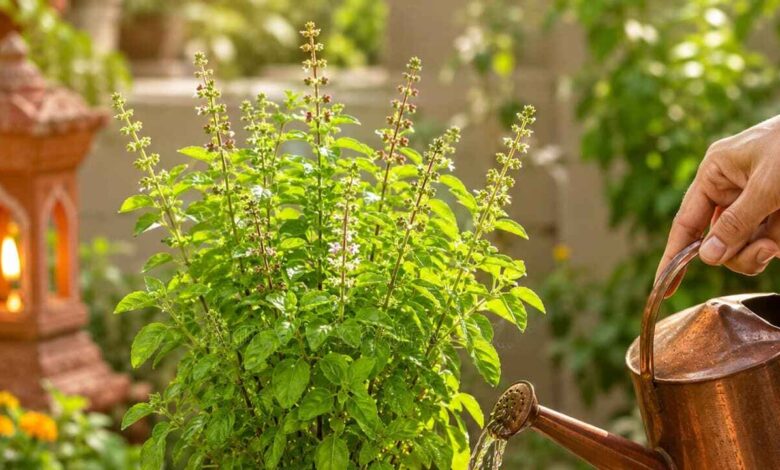
In many Indian homes, Tulsi holds a special spiritual and medicinal place. It is not just a religious plant but also known for its powerful Ayurvedic benefits. Almost every household tries to maintain a healthy Tulsi plant with devotion. However, despite good intentions, many people notice the plant drying up, losing its leaves, or turning black within a short period.
Experts in gardening and Ayurveda point out that the problem is rarely the plant itself. Instead, it is usually linked to small daily mistakes made while watering, placing, or caring for it. Understanding these simple errors can help keep Tulsi healthy, green, and thriving throughout the year.
One of the most common mistakes is overwatering. In many homes, people offer water to Tulsi multiple times a day as part of a ritual. While the intention is pure, too much water makes the soil soggy. This leads to root damage and gradually causes the plant to weaken and dry out. The right approach is to check the soil first and water only when the top layer feels completely dry. Proper drainage in the pot is equally important to avoid water stagnation.
Another overlooked issue is allowing seed formations to grow unchecked. Tulsi plants often develop flowering shoots and seed clusters at the tips. If these are not removed in time, the plant diverts most of its energy into producing seeds instead of growing fresh leaves. This weakens the plant over time and reduces its overall health. Regular trimming of these seed heads encourages new leaf growth and keeps the plant bushy.


Pest infestation is another major reason for Tulsi deterioration, especially during humid or rainy seasons. Tiny insects and fungal growth often develop on the underside of leaves, slowly sucking the sap and weakening the plant. Instead of chemical sprays, a natural neem solution can be used. Boiling neem leaves in water and spraying the cooled mixture on the plant once a week helps control pests effectively and keeps the plant safe.
Sunlight plays an equally important role in the survival of Tulsi. Many people keep the plant indoors or in shaded corners, assuming it will grow anywhere. However, lack of sunlight leads to weak stems and falling leaves. Tulsi needs at least four to five hours of direct sunlight every day to stay strong and healthy. Placing it in a bright, open space can make a noticeable difference in its growth.
With the right balance of water, sunlight, pruning, and natural pest control, Tulsi can remain healthy for a long time. Small corrections in daily care can prevent the plant from drying out and help it flourish as a vibrant part of the home environment.