Dark Wall Stains at Home What They Really Mean and a Simple Foil Test to Find the Cause
A simple household trick using aluminum foil can help identify whether wall dampness is caused by internal leakage or indoor humidity, offering a quick and practical way to protect home walls from hidden moisture damage

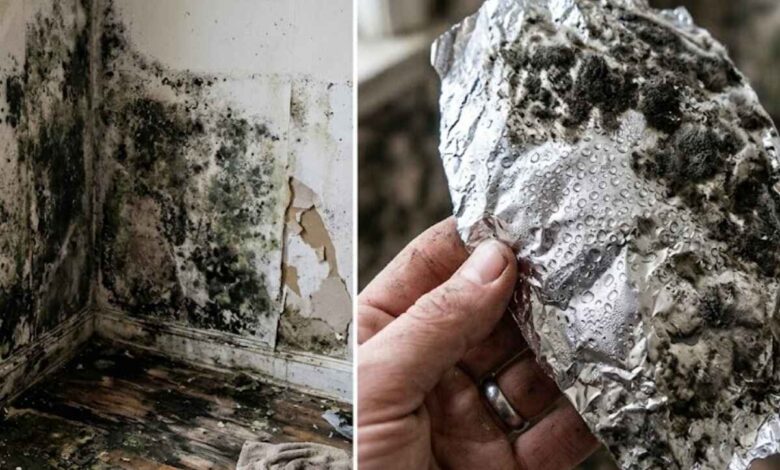
Dark patches and damp marks on home walls are a common problem, especially in kitchens and bathrooms. At first glance, it often becomes confusing to understand whether the moisture is coming from indoor steam or from a hidden pipe leak inside the wall structure.
Experts in building science suggest that ignoring such signs can lead to long term damage. In many cases, the real cause stays hidden behind paint layers, which is why a simple method is recommended before moving to expensive repair tools or deep inspection work.
One practical solution often shared by architects is the aluminum foil test. A small sheet of foil can act as a diagnostic tool to understand moisture behavior on walls. By sealing it over the affected area, it prevents airflow and helps reveal where the water is actually coming from within a short time.
To perform this check, a piece of foil is placed tightly over the damp area of the wall and sealed properly on all sides using tape. After leaving it untouched for around 24 to 48 hours, the results can give a clear indication of the moisture source depending on where condensation appears.


If moisture is seen on the side of the foil touching the wall, it usually indicates internal leakage or water seepage from pipes or rainwater entering through cracks. In some cases, a white powdery layer may also appear, which signals deeper water absorption inside the wall structure.
On the other hand, if water droplets appear on the outer side of the foil facing the room, it is generally linked to indoor humidity. Poor ventilation, lack of airflow, or excessive steam from cooking and bathrooms can lead to this type of condensation on surfaces.
Controlling humidity inside the house becomes important in such situations. Using exhaust fans, improving ventilation, and keeping indoor moisture levels balanced can reduce recurring wall dampness. In more severe cases, dehumidifiers can also help maintain a dry environment.
If the issue is due to internal leakage, immediate plumbing inspection is necessary. Delaying repairs can lead to mold growth within a short period, sometimes within 24 to 48 hours, which can further damage walls and spread health risks.
Health experts and global guidelines have repeatedly highlighted that mold exposure can trigger respiratory issues such as asthma, allergies, and persistent coughing. This makes early detection of wall moisture not just a maintenance issue but also a health priority for families living in the home.