Why Your AC Feels Less Effective in Monsoon and the Mode That Can Fix It
Using the right AC mode during monsoon can reduce humidity, improve indoor comfort, lower electricity consumption, and make rooms feel cooler even without excessive temperature reduction daily.

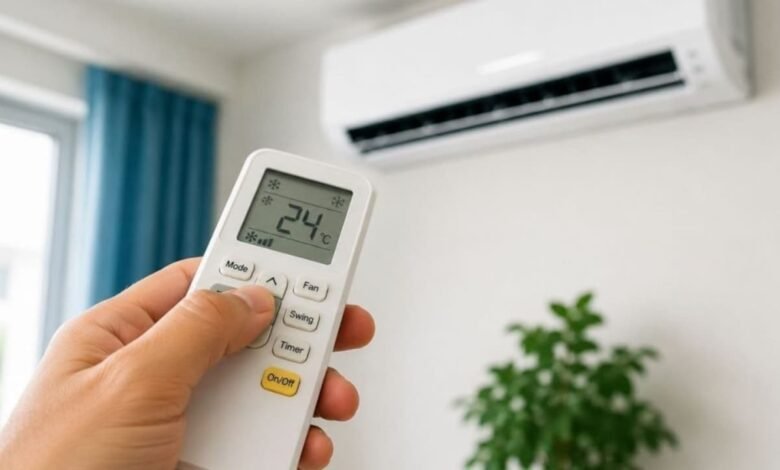
Many households notice a common problem during the rainy season. Even when the air conditioner is running for hours, the room still feels sticky and uncomfortable. The temperature may seem low enough, yet the air remains heavy and humid. According to cooling experts, the issue is often not the air conditioner itself but the mode being used.
During monsoon, outdoor temperatures usually drop, but moisture levels in the air rise significantly. As a result, simply lowering the room temperature is not always enough to create a comfortable indoor environment. Excess humidity can make people feel sweaty and uneasy even when the AC is operating normally.
This is where a lesser used feature available in most modern air conditioners becomes particularly useful. Known as Dry Mode, this setting is specifically designed to tackle moisture rather than aggressively cool the room. While many users rely on the standard cooling mode throughout the year, experts say the rainy season is the ideal time to switch to Dry Mode.
Unlike the regular cooling setting, Dry Mode focuses on removing excess moisture from the air. When activated, the air conditioner adjusts the operation of its compressor and fan to reduce humidity levels inside the room. As moisture decreases, the environment begins to feel fresher, lighter, and more comfortable.


One reason many people continue to feel uncomfortable at temperatures such as 24 or 25 degrees Celsius is because humidity remains trapped indoors. In such situations, lowering the temperature further may not provide the expected relief. Instead, reducing moisture levels can often make a much bigger difference in overall comfort.
Another advantage of Dry Mode is its potential impact on electricity consumption. Since the compressor does not need to run continuously at full capacity, power usage can be lower compared to prolonged use of standard cooling mode. While actual savings depend on factors such as room size, weather conditions, and the specific AC model, many users notice improved efficiency during humid months.
Activating Dry Mode is usually a simple process. Most AC remotes include a Mode button that cycles through options such as Cool, Fan, Auto, and Dry. In many air conditioners, Dry Mode is represented by a water droplet symbol. Once selected, the unit automatically begins working to remove excess moisture from the air.
The feature is especially useful during rainy days, periods of high humidity, or when indoor spaces feel damp despite moderate temperatures. Running Dry Mode for a few hours can often make a room feel significantly more pleasant. If additional cooling is needed later, users can switch back to the standard cooling setting.
With monsoon conditions creating unique indoor comfort challenges, understanding how to use the right AC settings can make a noticeable difference. Instead of relying solely on lower temperatures, managing humidity effectively can help create a cooler, fresher living space while potentially keeping electricity bills under control.
As weather patterns continue to shift throughout the rainy season, more homeowners are discovering that the secret to better indoor comfort is not always stronger cooling, but smarter use of the features already built into their air conditioners.