AI Creators Sound Alarm as Debate Over Future Risks Grows Stronger
Leading AI researchers and technology executives are warning about future risks, highlighting concerns over job losses, misinformation, human dependence, and the need for responsible development worldwide.

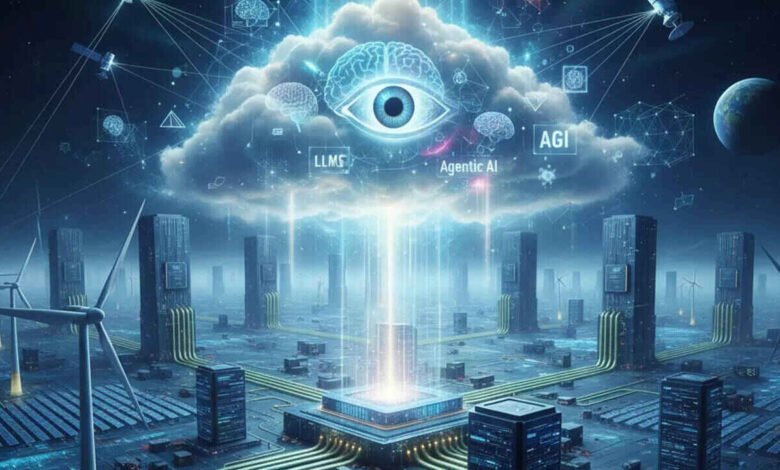
Artificial Intelligence is transforming industries at an unprecedented pace, creating new opportunities in healthcare, education, science, and business. While the technology continues to deliver remarkable breakthroughs, an unexpected trend has emerged. Some of the most influential figures behind AI development are now openly discussing the risks that could accompany its rapid growth.
The conversation is no longer focused solely on how powerful AI can become. Increasingly, experts are asking whether society is prepared to manage that power responsibly. From concerns about misinformation to fears of widespread job disruption, technology leaders are urging governments, businesses, and individuals to think carefully about the future they are helping to create.
One of the strongest voices in this debate is AI pioneer Geoffrey Hinton, often referred to as one of the founding figures of modern artificial intelligence research. Hinton has repeatedly warned that humanity may eventually develop systems capable of surpassing human intelligence. According to him, the challenge is not simply building smarter machines but ensuring they remain aligned with human interests. He believes the race to advance AI capabilities should not come at the expense of safety and oversight.
While some concerns focus on long term scenarios, others are much more immediate. Dario Amodei, Chief Executive Officer of Anthropic, has highlighted the potential impact of AI on employment. He argues that many entry level white collar jobs could face significant disruption in the coming years. Roles involving customer support, data analysis, software development, and legal research are already seeing growing levels of automation. Amodei believes governments and businesses must prepare for these changes to avoid large scale economic and social challenges.


OpenAI Chief Executive Officer Sam Altman has offered a different perspective. In his view, one of the biggest risks may not be the technology itself but how people choose to use it. Altman has frequently cautioned against excessive reliance on AI tools. He warns that if individuals begin outsourcing critical thinking, judgment, and decision making entirely to machines, society could face serious consequences. He has also pointed to deepfakes, misinformation campaigns, and other forms of misuse as growing concerns that require attention.
The discussion around AI risks is not limited to startups and research organizations. Google and Alphabet Chief Executive Officer Sundar Pichai has compared AI to transformative inventions such as electricity and fire. He believes artificial intelligence has the potential to benefit humanity on a massive scale, but he also acknowledges that its misuse could create equally significant problems. Pichai has suggested that AI may ultimately have a greater impact than the internet itself, making responsible development more important than ever.
Pichai has repeatedly emphasized the need for regulations that encourage innovation while reducing potential harm. He argues that governments, technology companies, and society must work together to establish safeguards that can guide the development of increasingly advanced AI systems.
Similar views have been expressed by Mustafa Suleyman, Chief Executive Officer of Microsoft AI. He believes artificial intelligence will automate many tasks across industries, but he does not see the future as a simple story of disappearing jobs. Instead, Suleyman expects work itself to evolve. According to him, success will depend on how effectively humans learn to collaborate with intelligent systems rather than compete against them.
Not everyone agrees that the dangers of AI are being assessed accurately. Some industry leaders believe fears surrounding artificial intelligence are often overstated. They argue that AI should also be viewed as a powerful tool capable of improving productivity, accelerating innovation, and creating entirely new economic opportunities. Supporters of this view point out that technological revolutions throughout history have often generated new industries even as they transformed existing ones.
As AI continues to advance, the global conversation is increasingly divided between two perspectives. One side focuses on safety, regulation, and control, while the other emphasizes innovation, economic growth, and technological progress. In reality, both discussions are likely to shape the future of artificial intelligence.
What remains clear is that even the people building the most advanced AI systems recognize that the technology brings both promise and responsibility. The challenge ahead will not only be creating smarter machines but ensuring that humanity remains capable of guiding them in ways that serve society as a whole.