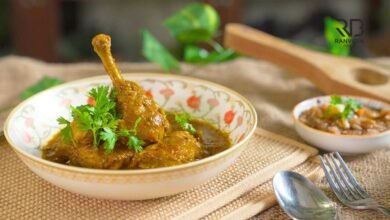
Why Mutton Liver Is Considered a Nutritional Powerhouse and When You Should Be Careful
Packed with iron, protein, and essential vitamins, mutton liver offers impressive health benefits, but experts advise moderation, especially for people with cholesterol concerns or alcohol consumption habits.

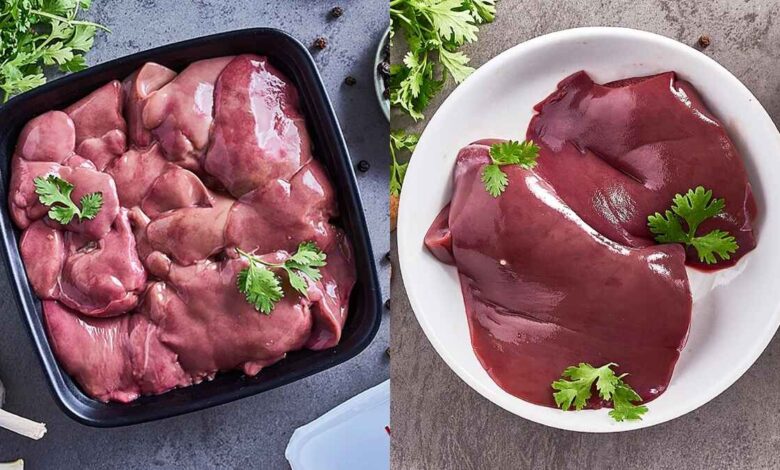
Among meat lovers, mutton remains one of the most popular choices on the dining table. However, nutrition experts say one particular part of the animal often receives less attention than it deserves. Mutton liver is increasingly being recognized as one of the most nutrient dense foods available, offering a rich combination of vitamins, minerals, and protein that can support overall health when consumed responsibly.
Health specialists point out that mutton liver contains significant amounts of iron, making it particularly valuable for people who struggle with low iron levels or anemia. Iron plays a critical role in the production of red blood cells and helps improve oxygen transport throughout the body. As a result, including moderate amounts of liver in a balanced diet may help support energy levels and reduce symptoms associated with iron deficiency.
Another reason nutritionists value mutton liver is its impressive protein content. Protein is essential for muscle maintenance, tissue repair, and overall body function. For individuals focused on strength, recovery, or maintaining muscle mass, liver can serve as a concentrated source of high quality protein.
The organ meat is also rich in several vitamins that contribute to long term wellness. Vitamin A, for example, is known for supporting eye health and maintaining healthy skin. Meanwhile, Vitamin B12 plays an important role in nerve function, brain health, and the production of healthy blood cells. Because modern diets can sometimes fall short in these nutrients, liver is often viewed as a valuable dietary addition.


Minerals found in mutton liver further enhance its nutritional profile. Zinc and copper are among the key nutrients present, both of which contribute to immune system function and overall metabolic health. These minerals help the body perform essential processes that support growth, repair, and disease resistance.
Despite its nutritional strengths, experts caution against viewing mutton liver as a food that can be eaten without limits. One of the biggest concerns is its cholesterol content. Organ meats generally contain higher levels of cholesterol compared to many other protein sources, which means individuals with existing cholesterol related conditions should consume it carefully and in moderation.
Medical professionals also recommend caution for certain groups, including people with kidney related conditions. Pregnant women and breastfeeding mothers are often advised to consult healthcare providers before making significant dietary changes involving organ meats. Individual nutritional needs can vary, making professional guidance important in such cases.
A topic that frequently generates discussion is the practice of eating mutton liver while consuming alcohol. According to health experts, combining alcohol with foods that are rich in cholesterol and fats may place additional strain on the body’s digestive system. Since both alcohol and liver metabolism involve the body’s liver functions, excessive consumption of both at the same time may increase stress on the organ.
Some individuals may also experience digestive discomfort, including acidity, indigestion, or a feeling of heaviness after consuming rich organ meats alongside alcoholic beverages. For people who already have liver disease, elevated cholesterol levels, or related health concerns, experts generally recommend avoiding such combinations altogether.
What makes mutton liver unique is the balance between its benefits and the need for moderation. It offers a remarkable concentration of nutrients that can support blood health, immunity, muscle function, and overall wellbeing. At the same time, its rich nutritional profile means portion control remains important.
Nutritionists emphasize that no single food guarantees perfect health. Instead, the greatest benefits come from including nutrient rich foods as part of a varied and balanced diet. Mutton liver can certainly earn a place in that approach, provided it is consumed sensibly and with awareness of individual health conditions.
For many people, the key takeaway is simple. Mutton liver is far more than just another meat dish. It is a highly nutritious food that can provide valuable vitamins and minerals, but like many rich foods, it delivers the best results when enjoyed in moderation and with proper attention to personal health needs.